
The Rotten Core Behind Senegal’s 2026 World Cup Collapse
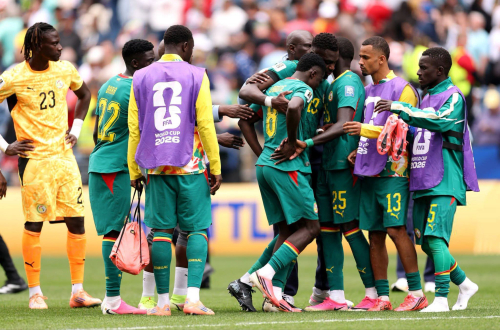
Senegal's Teranga Lions endured a disastrous administrative company at the 2026 FIFA World Cup, and it shows in their performances, as a talented group let down not just their country, but the continent, on the biggest stage of all.
What has emerged from the Senegalese camp following their dramatic exit from the 2026 FIFA World Cup is not just a story of a football team losing a match, but a damning chronicle of a broken the spirit of one of Africa’s finest footballing generations.
Senegal's Golden Era Hiding Total Chaos
On paper, Senegal's tournament run will read like a standard, albeit dramatic narrative. Teranga Lions suffered two bruising defeats at the start before finding their footing with a thumping 5-0 victory over Iraq in the final group game.
The victory saw them set an African record for the largest margin of victory at the finals, whilst racking up eight group-stage goals, another standard in the continent's history at the global showpiece.
Yet, anyone close to the camp knew that this statistical brilliance was merely papering over deep, systemic cracks, and when the Lions of Teranga threw away a comfortable 2-0 lead against Belgium in the round of 32, eventually succumbing 3-2 after a gruelling period of extra time, it was not just bad luck.
It was the predictable consequence of a squad left entirely to their own devices, physically and mentally drained by a circus happening right above their heads.
The sheer scale of the administrative collapse behind the scenes is nothing short of disgraceful. While the players prepared themselves for the rigours of World Cup football, several federation officials reportedly spent their stay completely detached from the sporting reality.
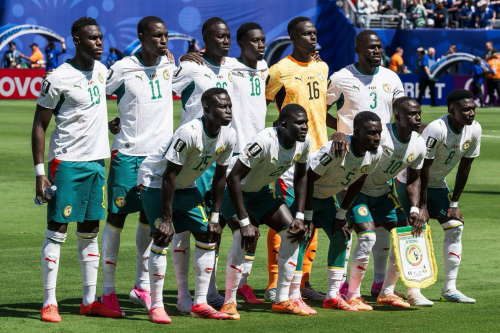
Eyewitness reports and hotel staff complaints paint a picture of lavish gala evenings, expensive gifts, and a steady stream of vintage alcohol flowing through executive suites.
Far from an elite sporting delegation, the hierarchy resembled a high-society club on tour, complete with accusations of female company and excessive spending that flew directly in the face of national pride.
Influencers in the Camp, Fast Food in the Rooms
The rot did not stop at boardroom indulgence, but extended to the players' dressing room, where athletes rest, strategise, and most importantly, bond. Instead, the Teranga Lions found their private quarters invaded.
Officials allegedly handed out prestigious delegation passes to personal friends and digital content creators, turning a serious tournament camp into a backdrop for social media clout.
Players could only look on in utter disbelief as internet personalities roamed corridors that should have been restricted to analysts and medical staff. With the leaders in the room thoroughly distracted, the squad was effectively abandoned.
Hotel staff in the United States openly complained about the rowdy, undisciplined behaviour of various non-playing members of the Senegalese contingent. Worse still was the complete breakdown in basic sports science and supervision.
Left completely to fend for themselves without dietary oversight or security protocols, some players resorted to ordering fast-food deliveries to their rooms, while others simply walked out of the hotel lobby completely unsupervised, wandering local streets just days before crucial games.
For a nation that considers itself a continental heavyweight of the global game, this is not just poor management; it is amateurism of the highest order.
The Pape Thiaw Uncertainty
Nowhere was this institutional paralysis more obvious than in the dug-out. Pape Thiaw, tasked with leading the tactically complex waters of a World Cup campaign, reportedly signed his official managerial contract a mere five hours before the team’s group match against Norway.
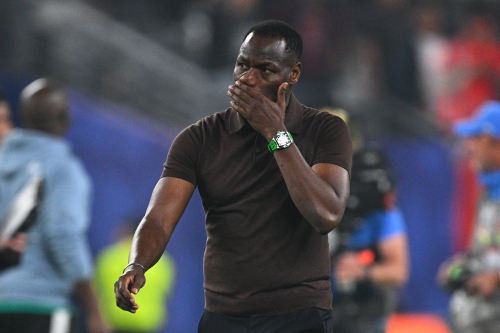
Think about that for a moment. A manager who recently won the AFCON title, now at the World Cup finals, expected to inspire a nation, but did not even have his paperwork sorted until the team bus was practically loading up for the stadium.
It is understood that Thiaw was so deeply frustrated by the bureaucratic incompetence that he seriously considered refusing to take his place on the bench for the match. How can a squad play with tactical clarity when the man leading them does not even know if he legally holds the job?
Senegal Paid The Price of Incompetence
The fallout from this circus has already begun, and it promises to be costly. The bitter pill of the Belgian collapse has broken the unity of the squad.
Midfielder Pape Gueye has already fired the first shot, publicly confirming that he is taking an indefinite break from the national team. His condition for a return is the sacking of Thiaw and his technical staff, while saving more information for later.
Gueye will likely not be the last to walk away. Elite players who ply their trade in top leagues will not tolerate a setup that compromises their health, their reputations, and their professional pride just so a few blazers can enjoy a premium holiday.
It is very rare to see an African team head into a FIFA World Cup knockout match against a European team and be tagged favourite, but that was the case for Senegal against Belgium. They had the game won. Until they didn't have it again.
The nation has the talent, the pedigree, and the passion to achieve beyond Round of 32 elimination at this tournament, but the amateurism setup off the pitch ultimately eats into their abilities on the pitch and ends up costing them on the biggest stage.
This incident captures the chaotic atmosphere and initial administrative hurdles that defined the squad's arrival in North America, and now the country's leaders will have to intervene and restore order, because those saddled with the responsibility have displayed sheer incompetence.
