
New Premier League Rules Explained: What Every Fan Will Notice in 2026/27 Season
The Premier League's new rules for the 2026–27 season are designed to speed up play, curb time-wasting, improve player discipline and enhance officiating accuracy through updated VAR protocols and stricter enforcement of the Laws of the Game.
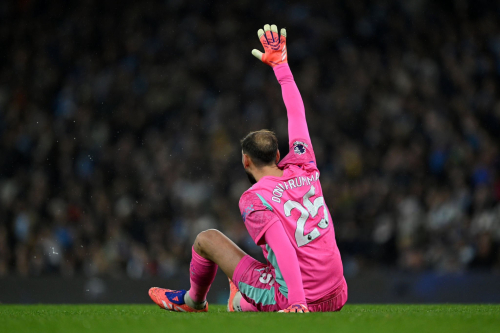
The new Premier League season will not only bring fresh title races, new signings and managerial battles, but also a significant overhaul of match officiating.
Lawmakers at the International Football Association Board (IFAB), together with English football authorities, have introduced several rule changes aimed at improving the flow of matches, reducing time-wasting and giving referees greater support in key decisions.
While many fans will immediately notice stricter punishments for delaying the game, other changes will quietly reshape how players, coaches and referees approach every Premier League fixture. Here is a detailed look at the new laws and what they mean.
Goalkeeper Injury Timeouts Face Tougher Punishment
One of the biggest talking points is the introduction of a new trial designed to discourage tactical goalkeeper injuries because in recent seasons, they have frequently gone down with seemingly minor injuries, allowing teammates to gather around the touchline for tactical instructions or to slow an opponent's momentum.
Under the new rule, if play is stopped for a goalkeeper's treatment, one outfield player from the same team must also leave the pitch for at least 60 seconds after play restarts.
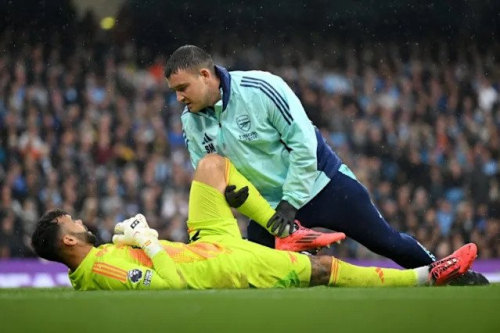
The rule is not intended to punish genuine injuries. Exceptions exist for serious incidents, collisions, bleeding or situations requiring immediate medical attention. The aim is simply to remove any tactical advantage gained from unnecessary stoppages.
Injured Players Must Stay Off the Pitch for One Minute
Outfield players receiving treatment have long been required to leave the field for 30 seconds before returning. The latest adjustment strengthens that approach by ensuring players remain off the pitch for at least 60 seconds before being allowed back into play.
The rule is expected to reduce players exaggerating minor injuries to interrupt attacking momentum or waste valuable seconds late in matches. Teams will now have to cope temporarily with fewer players, making unnecessary stoppages a far less attractive option.
Wrestling and Shirt-Pulling Inside the Penalty Area
Premier League referees have also been instructed to take a much firmer stance on holding, wrestling and grappling inside the penalty area, especially during setpiece situations.
Set-pieces have increasingly resembled wrestling contests, with defenders and attackers grabbing shirts or preventing movement before corners and free-kicks are delivered.
Premier League officials now are expected to intervene earlier, issue cautions where necessary and award penalties when offences clearly prevent an opponent from competing fairly for the ball.
The objective is to encourage cleaner defending while giving attacking players a fair opportunity to challenge for crosses.
5-Second Countdown for Throw-Ins and Goal Kicks
Premier League fans will also notice referees becoming less patient with delays at restarts. Throw-ins and goal kicks will now be subject to an official five-second countdown, and once the count begins, players must restart play promptly or risk losing possession.
This change directly targets fixing one of the most common forms of lack of gamesmanship, particularly during the closing stages of tight matches when every second becomes valuable.
Time-Wasting Will Be Punished More Quickly
The Premier League has made it clear that slowing the game unnecessarily will no longer be tolerated. Instead of repeated warnings, deliberate delays at throw-ins and goal kicks can now immediately result in possession being handed to the opposing team.
The tougher approach is designed to increase the amount of active playing time and reduce frustration among supporters.
Football authorities in England have spent several seasons experimenting with longer stoppage-time calculations, but these latest measures focus on preventing lost time before it even occurs.
VAR Receives Expanded Powers
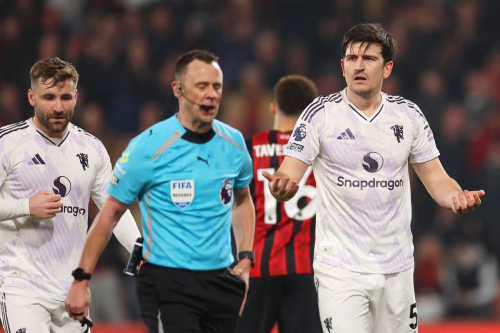
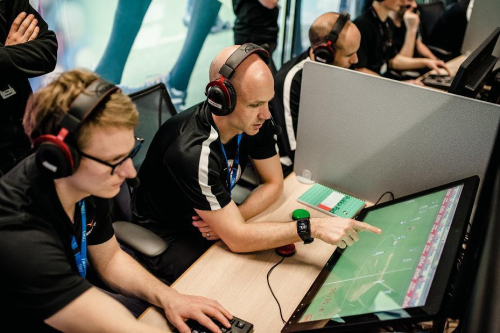
The Video Assistant Referee protocols have also been updated. For the first time, VAR can recommend a review when a player has been wrongly shown a second yellow card leading to a dismissal.
This closes an important gap in previous protocols, where mistaken second cautions could not be corrected despite video evidence.
However, VAR's authority remains limited, as they cannot recommend that a second yellow card should be issued if the referee initially chose not to caution the player. The technology can only correct obvious mistakes rather than create new disciplinary decisions.
Faster Football Remains the Main Objective
Collectively, these rule changes share one common purpose, which is keeping the ball in play for longer. Lawmakers have become increasingly concerned by tactical stoppages, lengthy treatment breaks and repeated delays at restarts.
By introducing stricter penalties and clearer procedures, they hope matches will flow more naturally while rewarding teams that play positively.
Managers will need to rethink certain game-management tactics, goalkeepers may think twice before requesting treatment for minor knocks, and defending teams will have to be more disciplined inside the penalty area.
What Should Premier League Fans Expect
Some of these changes may initially create confusion as referees adapt to the updated laws. There could be more free-kicks, cautions and temporary numerical disadvantages during the opening weeks of the campaign.
However, if implemented consistently, fans, especially those who enjoy free flowing and uninterrupted games will really benefit from quicker restarts, fewer interruptions and more continuous football.
The Premier League has built its reputation on intensity and entertainment, and these latest law changes are intended to ensure matches spend less time standing still and more time being played.

