
How Thomas Tuchel Cost England on the Biggest Stage
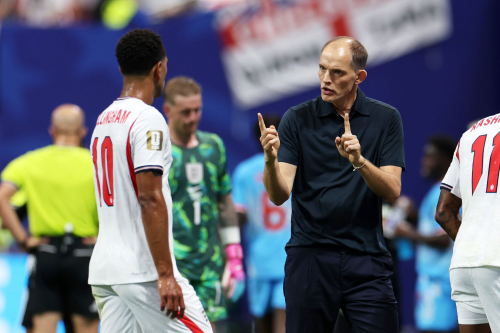
Thomas Tuchel stood before the cameras after England's 2-1 defeat to Argentina and said the team had no regrets. The Three Lions' coach even called it one of their best performances of the tournament, maybe the very best.
But with respect to the German coach, that is his own opinion, and he does not have the right to speak for everybody. The players on that pitch will definitely see things very differently. Because the truth is simple: England had the game in their hands, but his tactical decision took it away from them.
The Moment It All Changed
It was almost an evenly contested affair until Anthony Gordon put the Three Lions ahead in the 56th minute, and for nearly 20 minutes that followed, England were managing the game well against the full-strength, defending world champion side.
Then Tuchel made his move. He brought on Ezri Konsa for the goal scorer Gordon, shifted to a back five, and told his team to shut up shop rather than push for a second goal. It was a decision built on fear, not confidence, and it invited pressure right back onto England's own goal.
A Gamble That Was Always Going to Fail
Trying to defend a slim 1-0 lead with almost 30 minutes still to play in a World Cup semi-final is a risky gamble, and against a team like Argentina, with Lionel Messi still pulling strings from midfield, it was never going to go unpunished.
Argentina have serial late strikers in the tournament. A team that has scored dramatic, last-gasp goals throughout this tournament, and Tuchel of all people should have known better than to give them a route back into the game.
And that is exactly what happened. Once England dropped deeper, Argentina began to take control. Messi, who had been quiet for most of the match, started finding pockets of space.
The crosses kept coming. Jordan Pickford had to produce a wonder save to deny Nico Gonzalez, and Alexis Mac Allister rattled the upright. England were living dangerously, and it was only a matter of time before the dam broke.
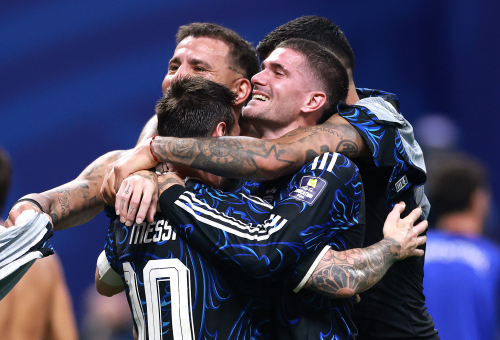
Enzo Fernandez levelled the score five minutes from time, and then Lautaro Martinez struck the winner deep into stoppage time. Just like that, a golden chance to reach a first World Cup final since 1966 slipped away.
Harry Kane Says It As It Is
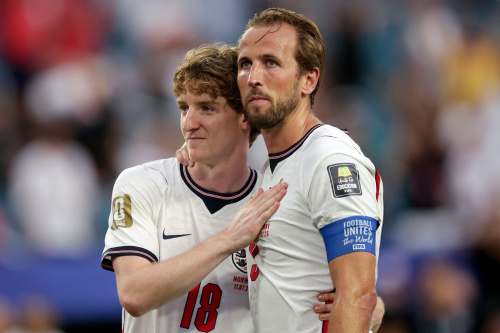
England captain Harry Kane summed it up best after the game. Speaking to the BBC, Kane said, "Once we went 1-0 up, we seemed to just try to hold on... which at this level is not enough to get to a World Cup final."
Those words came from the captain himself, the man who has given everything to English football, and they say more than any pundit ever could. Kane was not blaming his teammates. He was pointing to a mindset, a mindset that came from the bench.
The Bench That Let England Down
This is where Tuchel's decision-making becomes even harder to defend. It wasn't just the switch to five defenders that hurt England, it was also who he had, and did not have, sitting on his bench to change things when it mattered.
When Declan Rice eventually had to be withdrawn due to fitness issues, England had no true like-for-like option to step in and keep the same control and composure in midfield that Rice provides.
There was Kobbie Mainoo but he hadn't trusg him all tournament. Players like James Garner and Adam Wharton, who could have offered fresh legs and genuine ball-carrying options in that deep midfield role, were left out of the final World Cup squad.
Once Rice went off, Argentina found it easier to build and break through the middle of the pitch, exactly the area England needed to protect the most, and it was from there, came their equalizer through Fernandez.
It is easy to say, as Tuchel did, that the team gave everything and there are no regrets. Effort was never the problem for England in this tournament. What has cost them, again and again on the biggest stages, is game management.
Knowing when to keep pushing and when a lead is truly safe. The decision to sit back with half an hour to go against a team with Messi's experience and Argentina's pedigree in knockout stage was never a safe option. It was an invitation.
The Pundits in Unison
Former England players have said the same thing. Wayne Rooney did not hold back after the match, saying England were "asking for trouble" by inviting pressure once they went ahead, highlighting Thomas Tuchel's tactical failure.
Joe Hart pointed out that the switch to a defensive shape "freed up Lionel Messi," who then "ran the show" in the final stretch of the game after being kept out for so long.
Alan Shearer also agreed that the changes backfired badly. When three respected voices from English football all arrive at the same conclusion independently, it becomes very hard to argue that the tactics were simply misunderstood.
Nevertheless, none of this takes away from what has been a good World Cup for England. Reaching the semi-final, for the fourth time in eight years, is still something to be proud of.
But there is a difference between a good tournament and a missed opportunity, and this feels very much like the latter. England did well for large stretches of that semi-final.
They were 90 minutes, then 60 minutes, then finally just 30 minutes away from a first World Cup final in almost 60 years. And it slipped through their fingers not because Argentina were overwhelmingly better on the day, but because of a decision made from the touchline.
The Bottom Line for England
Tuchel can call it their best performance if he wants to. He can say there are no regrets. But at the very highest level is remembered by results and achievements, not by how good a performance felt in the moment.
England will now play France in Saturday's third-place match in Miami, a game that means little compared to what could have been if they had held on to their advantage against the South American champions.
For a country that has waited six decades for another shot at the World Cup final, this is a bitter pill to swallow, and this time, the manager's tactics, more than the players' effort, are the reason why.
