
Football Transfer Explained: Rules, Terminologies, Transfer Window & How Deals Work

Football transfers are a complex subject on their own, and the events that happen during these periods can be just as thrilling as those that happen on the pitch.
The movement of football players from one club to another, whether in search of greener pastures, better playtime, or in search of fewer competitions for players past their prime.
In this article, we move to break down the terminologies, terms, and conditions of the football transfer window, from the simple to the complex.
Football Transfer Explained: Rules, Terminologies, & Transfer Window
Players Transfer in Football Explained
The concept of player transfers in football was first introduced in 1885 to regulate player movement and protect clubs from losing talent without their knowledge.
Before this, players could move freely, but as professionalism grew, clubs, most especially English, pushed for control, and in 1893, the Football League introduced a system requiring clubs to register players and seek approval for transfers.
This led to the establishment of transfers, ensuring that clubs with a player's registration are aware and approved when such a player moves. The system evolved into the transfer market, where contracts, fees, and regulations govern how players switch teams in today's world.

However, at that time, there was a flaw in the ruling regarding player registration, as players would still be registered even after their contracts had ended. Unless a club agreed to allow the player to join another team, the player would be left in a state of uncertainty.
This situation led to numerous legal disputes in the late 19th and early 20th centuries. Eventually, the Football League proposed implementing transfer fees so that clubs holding a player's registration could receive compensation to facilitate outgoings.
There was nothing like a free transfer even when a player's contract ended. Another unfair decision that haunted players until the Bosman ruling was introduced in 1995.
What is the Bosman Ruling?
The Bosman Ruling became a pivotal legal decision in 1995 and changed the structure of not only football transfers but also redefined employment systems and labor mobility across the European Union.
It stemmed from a case involving Belgian international Jean-Marc Bosman, whose club, RFC Liège, refused to let him move abroad to join French club Dunkerque, requesting that a fee of £500,000 has to be paid, whereas the French club refused.
Bosman, who was left in uncertainty, became desperate and went on to challenge the system in court, arguing that it restricted his right to employment and freedom of movement under European Union law.
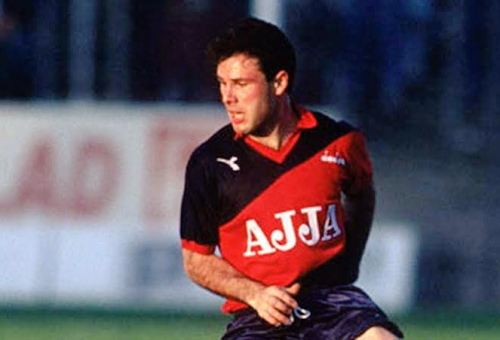
The European Court of Justice ruled in his favour, establishing that players in the European Union could leave their clubs freely once their contracts expired, without a transfer fee to their previous clubs.
This judgment gave players more control over their careers and paved the way for free agency in European football. It also significantly shifted negotiating power from clubs to players, influencing many free transfers in the years that followed.
What is The Football Transfer Window?
The football transfer window is a designated period when clubs can buy and register new players, or sell existing ones. It typically occurs twice a year, in the summer and in the winter, and is regulated by FIFA.
Formally introduced by the football governing body in 2002 to regulate player movements, aligning it with seasonal calendars. Before, players could be signed at any point in the season, but with the transfer window, designated periods for clubs to register new players are established to promote fairness and stability during competitions.
While the European winter window runs through January and closes in early February, the summer window, which is the main transfer window, runs from June to the start of September, with deadline day varying in respect to domestic rules.
Clubs use this time to strengthen their squads, offload those considered surplus to requirements, and plan for the future, either by signing or selling players in their Academies. Players also explore better opportunities through their agents.
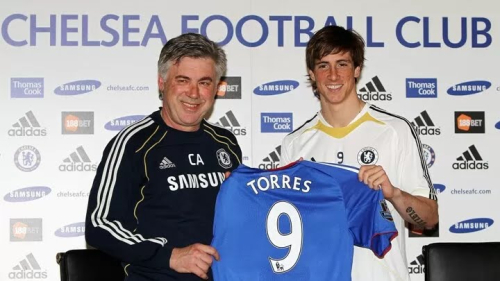
While the window sparks intense speculation and media frenzy, deals outside this window are largely prohibited, except in special cases.
The rare cases players could be signed when the transfer window is inactive are when the player concerned is a free agent, players recalled from loans, emergency signing in the case of goalkeepers, and injury dispensation (limited to some leagues), and promotion of an Academy player.
Variation in Regional Transfer Windows
While FIFA provides the global structure for football transfer activity, individual leagues have the freedom to set their own opening and closing dates, leading to notable regional differences.
In Europe, most major leagues like the Premier League, La Liga, Serie A, and Bundesliga traditionally close their summer windows by August 31 or September 1, though these leagues have different deadlines on the final day.
By contrast, Saudi Arabia’s Pro League kept its window open until September 2, which allowed clubs to continue signing players after European sides had closed their businesses.
In South America, the windows are influenced by the calendar-year league system. For example, Brazil’s Serie A typically operates its mid-season window between July and August, overlapping but not aligning with Europe.
Meanwhile, Major League Soccer in the United States runs on a unique calendar, with its main window from February to April, and a secondary one in July and early August, the reverse of Europe.
These regional differences often lead to imbalance, with clubs in certain leagues forced to sell without the chance to replace, or being vulnerable to late offers after their windows close.
Deadline Day Drama in Football Transfers
On football transfer deadline day, deals are raced against the clock, paperwork flies between clubs, agents scramble, and fans hit news refresh endlessly. The uncertainty, chaos, and excitement of these days have become a spectacle of their own.
In 2008, Dimitar Berbatov’s late switch from Tottenham to Manchester United was so dramatic that Sir Alex Ferguson personally met him at the airport.
When Pierre-Emerick Aubameyang moved from Arsenal to Barcelona in the winter window of 2022 after his fallout with Mikel Arteta, the deal was completed just minutes before the Spanish deadline.
“It’s mad. One minute you’re packing your boots, the next you’re on a flight to a new life,” said former England striker Jermain Defoe, reflecting on his own last-minute move to Tottenham Hotspur from West Ham United.
But with the thrill comes tension. Clubs sometimes panic-buy or lose players unexpectedly. Chelsea’s 2023 pursuit of Enzo Fernández from Benfica dragged on until the last minutes, and that saw documents exchange delayed until the very last hour, for a British-record fee.
Player Agents

Player agents act as intermediaries between players and clubs, handling contract negotiations, transfers, and endorsement deals. Players are previously represented by their parents or family members, the majority of whom were taken advantage of due to a lack of knowledge.
Recognizing the need for oversight, FIFA officially began regulating football agents in 1991, later introducing more structured licensing and conduct rules.
Agents typically earn a percentage of a player's contract or transfer, usually between 3% and 5%, depending on the agreement with their clients (players) and governing rules.
They help players secure moves, negotiate favourable terms, offer career guidance, and manage public image. While some agents represent clubs in negotiations, their primary duty is often to the player.
Key Transfer Terminologies of Football Transfers
1. Transfer Fee
The amount paid by one club to another to sign a player under contract. It reflects not only talent but also age, potential, market value, and years left on the player’s deal.
2. Free Transfer
A player moves to another club at the end of their contract without any transfer fee involved. Commonly happens after the age of 30 or when a contract is allowed to run down.
3. Pre-Contract
Pre-contract agreements became a thing after the Bosman ruling in 1995. It allows players to sign an agreement with a new club when they enter the final six months of their contract with their current team.
Loan Deals in Football Transfers Explained
Loan deals allow a player to temporarily join another club, typically for six months or a season, often used for development, game time, or financial relief. But behind each loan is a web of agreements between the two clubs.
A loan fee may be paid by the receiving club, especially for high-profile players. Wage sharing is also common, where either club covers a portion, or all of the player's salary.
An example is Raheem Sterling's loan move from Chelsea to Arsenal in the summer of 2024, where both clubs agreed to pay certain percentages of the player's wages. In some cases, clubs agree to pay full wages without any loan fee.
Some loan deals include a buy option, letting the borrowing club sign the player permanently at a pre-agreed price. Others include a buy obligation, meaning the loaning club must purchase the player after certain conditions are met — such as appearances, goals, or qualifying for European competition.
Once these conditions included in the agreement are met, then options are turned into an obligation.

Another example is Jadon Sancho's loan move to Chelsea from Manchester United, where it was agreed that Chelsea would sign the winger permanently for £25 million or pay a sum of £5 million to United if they didn't sign him permanently.
Football Transfer Clauses Explained
Release Clause
A release clause sets a fixed fee that, if met, allows a player to negotiate with interested clubs, bypassing the selling club’s consent.
In some leagues like La Liga, a club may not even be informed that their player has been sold until they are contacted by La Liga, who the release clauses are always paid to, that their player has been bought.
However, some release clauses are time-bound and only become active during specific windows or after a set date. For instance, a clause might only trigger after the first year of contract or during the summer window, not in January.
Buy-Back Clause
A buy-back clause allows a selling club to re-sign a player in the future at a pre-agreed price. It’s often used when selling young talent, giving the original club a safety net if the player develops well elsewhere.
Barcelona and Real Madrid use this clause frequently. It allowed the latter to bring back Fran Garcia for €5 million from Rayo Vallecano in the summer of 2023, a year after he left in a permanent move.
Sell-On Clause
With a sell-on clause, a percentage of a future sale goes to the player’s previous club. For example, Barcelona had a sell-on clause on Nico Gonzalez and received a huge sum when the Spaniard joined Manchester City from FC Porto in January 2025.
First rejection clause
A first rejection clause in football transfers gives a player’s former club the right to be informed and offered the chance to match any accepted bid before the player is sold elsewhere. It ensures they have priority in re-signing the player if they choose to.
Performance Bonuses
Performance bonuses are extra payments included in a transfer or contract agreements, and are triggered by specific achievements, which can include a set number of appearances, goals, or assists, or winning trophies.
Clubs may also pay bonuses if the player helps them qualify for European competitions. In some instances, it is the player's previous club that receives the bonus if these milestones are reached.
Contract Clauses in Football Transfers Explained
Contracts often include unique clauses beyond salary and duration, most especially in transfers involving big-name players. An Image Rights Clause, for instance, allows players to profit from their name, image, and brand endorsements.
There's also Loyalty Bonus, which rewards players for staying with a club over a set period, while Gentleman's Agreement is a non-binding verbal promise, which allows players to leave when a suitable offer comes in, even when there are years left on their contract, like Harry Kane’s situation at Tottenham in 2023.
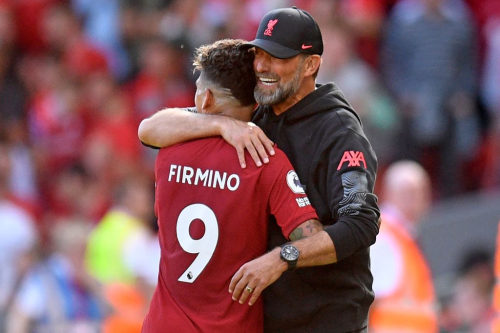
An Anti-Rival Clause restricts transfers to rival clubs, famously used by Real Madrid to block moves to Barcelona. It was also reportedly used by Liverpool in the deal with Roberto Firmino, preventing him from a move to Arsenal.
Factors That Influence a Player's Transfer Value
1. Age & Potential
Younger players with high ceilings, like Jude Bellingham, attract bigger fees as clubs invest in long-term development and potential resale value.
Compare the move of the English midfielder to Real Madrid for £100 million to that of Felix Nmecha, who replaced him in Dortmund for just €30 million, or Pascal Gross, who joined the German club a year later for £8m.
While both Bellingham and Nmecha are young, the Real Madrid man is the bigger talent, and his younger age also influences why he is £92 million more expensive than Gross.
2. Contract Length
Players nearing the end of their contracts are cheaper, as selling clubs risk losing them for free if no deal is struck.
Otherwise is the case for players with longer duration on their contract, giving the selling club control in negotiations. An example was Robin van Persie's £24 million move to Manchester United from Arsenal in 2012. Although he was worth more, he had one year left on his contract and could have left for free the next summer.
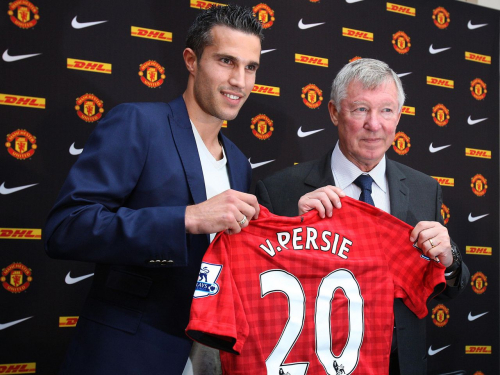
Clubs may be forced to present a player with an outrageous contract duration to players signed for mouthwatering fees, so that they may get decent compensation through loans and resale, if things do not go as planned.
However, this move may also backfire if the player arrives on high wages and can't attract suitors due to poor form. Club is forced to continue to pay these wages, or pay off the player for contract termination.
3. Playing Position of the players
Attackers and creative midfielders often fetch higher fees due to their direct influence on results and match-winning contributions.
In recent times, other positions have also appreciated in the transfer market, influenced by Harry Maguire's £80 million transfer to Manchester United in 2019.
4. Marketability
A player’s global appeal, including shirt sales and sponsorship draw, adds commercial value beyond their on-pitch performance.
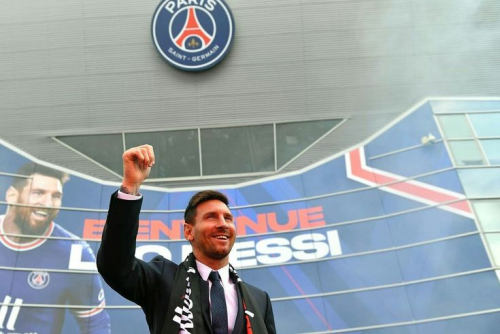
Marquee acquisitions like Cristiano Ronaldo and Lionel Messi have proven that no fee is too high to spend on them, as the club can in no time recover their expenditure.
6. Injury Record
Frequent or serious injuries could force clubs to lower their demands for certain players, as suitors also weigh fitness risks against transfer cost and long-term availability.
Behind the Curtains: Agents, Intermediaries & Scouting
Agents are licensed intermediaries who negotiate contracts, wages, image rights, and personal terms. They also receive a cut of transfer fees or a signing bonus.
Scouts and data analysts identify talent globally, evaluating not just ability, but also fit, mentality, and injury resilience. Scouts mainly work for football clubs or national teams.
Transfer Requests & Medicals
A player may submit a transfer request to indicate their desire to leave, but it’s non-binding. Clubs can reject or accept based on internal strategy.
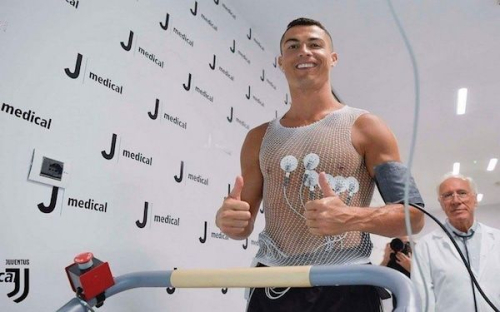
Before signing, players undergo a medical, a detailed physical exam to assess fitness and chronic injury risks. Failed medicals have scuppered many last-minute deals.
Financial Fair Play & Budget Constraints
UEFA’s Financial Fair Play (FFP) rules limit excessive spending beyond a club’s revenue, ensuring sustainability and avoiding reckless financial behavior.
In leagues like La Liga, a salary cap, a financial regulation that limits the total amount each club can spend on players, coaches, and staff, is employed.
It's set annually based on a club's revenue, expenses, and debt, ensuring financial stability and competitive balance across the league.
This is why it appears English clubs spend more than their counterparts in Spain. Clubs that could not keep up with the ratio face troubles such as failure to register players and even payment of fines.
Transfer Drama: The Human Side
Transfers involve not just numbers but lives. A move affects families, lifestyles, and careers. The pressure is immense, as highlighted by former Arsenal boss Arsène Wenger:
“Buying players is like buying a house — emotion meets logic. You fall in love, but you must check the structure.”
Some Transfer Milestones
First-ever £100 Signing in Football
Willie Groves was the first-ever recorded football transfer when he joined Aston Villa from West Bromwich Albion in a £100 deal in 1893 — a groundbreaking sum at the time.
It marked the dawn of paid transfers, introducing a commercial element to the sport and setting the tone for football's evolution into a global industry driven by player movement and club negotiations.
First-ever £1,000 Signing in Football
22 years after Willie Groves' move, Alfred Common became the first player to be transferred for £1,000 when he signed for Middlesbrough from Sunderland in 1905.
First-ever £1m Signing in Football
Former Italy striker Giuseppe Savoldi, in 1975, became the first-ever £1m signing in football history following his move from Bologna to Napoli for £1.2 million.
First-ever £10m Signing in Football
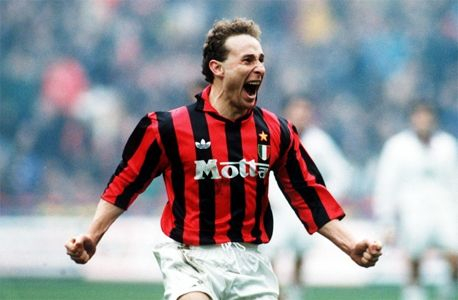
In 1992, French international, Jean-Pierre Papin, moved to Serie A giants AC Milan for a world record fee of £10 million, becoming the first-ever signing worth double digits of millions in football.
First-ever £100,000m signing
Neymar Jr. became the first-ever player to be transferred in a deal worth up to triple figures of millions following his world record transfer to Paris Saint-Germain from Barcelona in the summer of 2017.
His release clause of £198 million made Barcelona feel confident that he would not leave, but Les Parisiens shocked the entire world when they activated the clause by paying the outrageous fee to LaLiga.
Football transfers are no longer just about players switching clubs — there are lots to factor. Emotion, family, finances, and even politics. Certain players are not allowed in some countries due to their nationality.
In 2019, Henrikh Mikhitaryan missed the Europa League final in Baku, Azerbaijan, due to concerns over his safety because of the political tension with his country, Armenia.
From shrewd loan deals to millions of pounds mega deals, understanding these factors behind every detail gives a deeper appreciation for what truly builds a team.
So next time you hear that a deal collapsed due to personal terms, you’ll know — there’s a whole playbook behind that headline.

