
Why the FA Should Rename the Community Shield to the English Super Cup
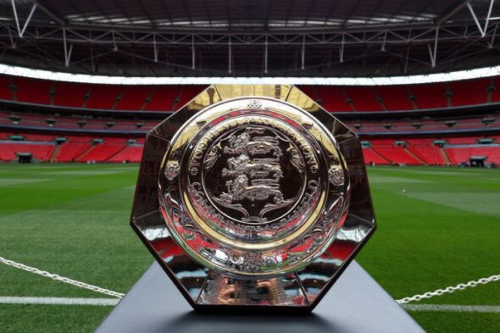
Every August, the English football season bursts back to life with a heavyweight clash at Wembley Stadium, featuring the reigning Premier League champions against the FA Cup holders, or the Premier League runner-up if the same team has claimed the domestic double.
By any objective metric of sporting merit, this fixture is England’s equivalent to Europe’s elite Super Cups, the Supercopa de España, the Supercoppa Italiana, and the DFL-Supercup.
Yet, despite showcasing the absolute pinnacle of English football talent, the fixture suffers from a persistent identity crisis and is frequently dismissed by fans and pundits alike as a glorified friendly or a pre-season curtain-raiser.
The root of this prestige deficit is not the quality on the pitch, but the branding, because to command the global respect it deserves, the English Football Association (FA) must drop the dated Community Shield moniker and rebrand the event as the English Super Cup.
The Prestige Gap: England vs. The Continent
Across Europe's top leagues, the season curtain-raiser trophy is treated as a major piece of silverware, and when Real Madrid battles Barcelona in the Supercopa de España, or Bayern Munich faces Borussia Dortmund in the DFL-Supercup, the football world stops to watch.
These matches are marketed as high-stakes, elite battles for domestic supremacy. Even though they barely come close to the competitive nature of the Community Shield, they are considered major, and the celebration is on par with other top competitions.
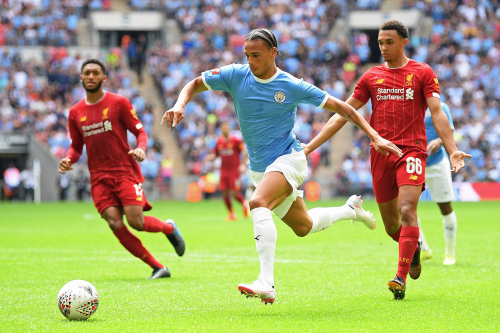
In contrast, English football treats its version with bizarre ambivalence, and if a team wins the Community Shield, it is often downplayed as minor silverware, with the English media even going to the extent of taunting winners if they celebrate the win as they do in other competitions.
Elite managers like Pep Guardiola and Jürgen Klopp have historically pushed back against this narrative, rightly arguing that defeating an elite rival at Wembley is an achievement worthy of genuine celebration.
However, the wider footballing lexicon refuses to grant the fixture its due respect, and the primary culprit for this lack of prestige is the name itself, the Community Shield.
The History of the Name: From Charity to Community
To understand why the name lacks modern marketing punch, it helps to look at its history, when it was first inaugurated in 1908 as the FA Charity Shield, evolving from the 1898 Sheriff of London Charity Shield.
For nearly a century, its primary identity was rooted in philanthropy, with gate receipts distributed to various hospitals and charitable causes.
Historical Turning Point for the Community Shield
In 2002, the Charity Commission for England and Wales found that the FA had failed to meet legal transparency standards regarding ticket revenue allocation, and as a result, a historical turning point came for the competition.
To avoid legal complications, the FA hastily rebranded the fixture, renaming it as the Community Shield, but while the rebrand solved an immediate legal issue, it did nothing for the competition’s sporting prestige.
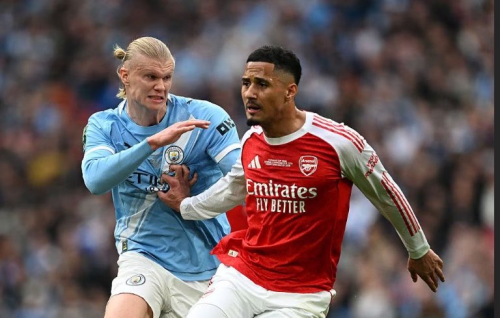
The term Community Shield evokes images of grassroots initiatives, local outreach, and amateur sports days, which, while they are the noble pillars of the sport, clash directly with the reality of clubs like Arsenal, Chelsea, Liverpool, and the Mancunian rivals, battling in front of a global audience.
Why 'English Super Cup' is the Way to Go
In modern sports marketing, language dictates perception, and with the name English Super Cup, the FA wouldn't have to make further efforts, because the move already sends a message that it commands similar elite status and exclusivity like the other Super Cups.
Below are some of the instant benefits that all the parties concerned get to enjoy if the Community Shield is renamed as the English Super Cup.
1. Instant Global Recognition
For international audiences, where the Premier League enjoys massive popularity, the term Super Cup is universally understood, and it instantly contextualizes the match as a major, must-watch final rather than an experimental pre-season exhibition.
2. Alignment with UEFA and European Standards
With the UEFA Super Cup occupying a prestigious slot on the continental calendar, aligning England’s domestic version with this nomenclature creates a seamless narrative structure. It positions the winner as the definitive champion of champions in English football.
3. Protection of Sporting Integrity

When players line up for a clash between champions and celebrate with raw emotion, they are not playing a community match, but competing at the highest level, and proper recognition should be given to their rewards.
The branding should reflect that their sacrifice is worth as much as that of their counterparts in the other leagues, especially when it comes to trophy counts.
For example, Mikel Arteta won two Community Shield titles after his Emirates FA Cup triumph in 2020, but the football world failed to recognize that achievement, while the likes of Luis Enrique, Hansi Flick, Vincent Kompany, and others are acknowledged for winning similar trophies in other countries.
Preserving Tradition Without Sacrificing Progress
The most common argument against a rebrand is the desire to protect English football's deep-rooted traditions, as traditionalists might argue that ditching the Community Shield name completely erases its charitable legacy.
However, modernization does not require abandoning philanthropy. The FA can easily retain the fixture's charitable core while updating its commercial face.
The event can be officially marketed as The English Super Cup while it retains all its other traditions to ensure that gate revenues and broadcast percentages continue to fund grassroots football and local charities within the country.
By separating the commercial title from the underlying charitable mission, the FA can maximize both: generating higher global broadcast revenues through better branding while simultaneously increasing the total pool of funds distributed to good causes.
Conclusion: Time for the FA to Act
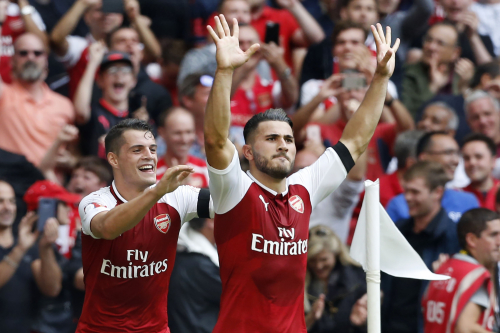
The FA Community Shield is a historic institution, but its current branding actively diminishes its sporting value among its peers on the global stage.
It is a disservice to the clubs, the players, and the fans to treat a clash between England's two best teams as a secondary event, while players in other leagues get to flaunt trophies of similar context.
By boldly rebranding the fixture to the English Super Cup, the Football Association can bridge the prestige gap with continental Europe, elevate the match's commercial appeal, and finally give English football's ultimate curtain-raiser the respect it has earned.
