
What Is The Hardest Position In Soccer? Ranking All 9 Soccer Positions By Difficulty Level
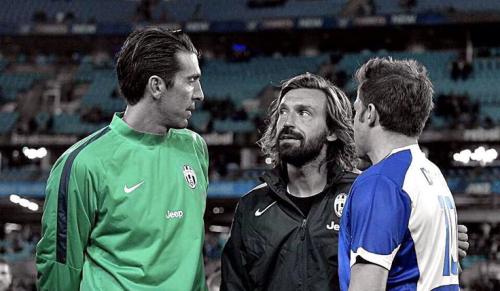
90 minutes is a very durable period for soccer players, who hardly get a moment's rest immediately the whistle goes off for the resumption of hostility till it is sounded to draw the curtain on proceedings.
The players are put to tests beyond just physical endurance, but also other etiquette like leadership, resilience, and the ability to read the game, whether with or without possession.
Behind every action leading to goals, saves, or whatever lies the demanding reality of the game. Yet, it has been noticed that certain players in some positions do more than their counterparts, although the more demanding of those remains up for contention.
In this article, we attempt to provide answers to the question of what is the most difficult position in soccer by breaking down each of the main positions, the basic and tactical demands.
What Is The Hardest Position In Soccer?
Playing Positions In Soccer
Soccer positions are categorized into Goalkeeper, defenders, midfielders, and forwards. But these can be subdivided further.
Goalkeeper
The only non-outfield player, number one player on the teamsheet, attested by their standard shirt number— No. 1.
Goalkeepers are positioned between the sticks and are the only position in soccer without a counterpart during play. Only one goalkeeper is required by a team during play, and this is the only position that is rarely substituted, except in unusual circumstances.
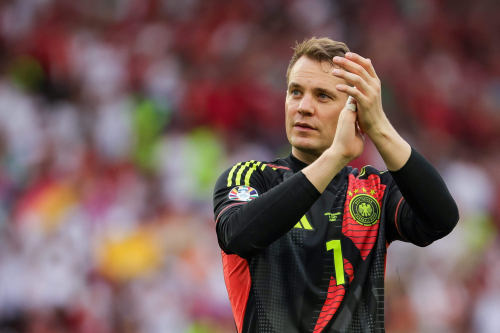
Their responsibility is to keep the ball from going into the back of the net. They mainly use their hands to make saves: goalkeepers, in the 18-yard area, are the only players allowed to handle the ball during play legally.
Defenders
Center Back
This position always comes in two, and sometimes three, depending on the formation deployed by the team managers.
They are positioned at the heart of the defence and are the most tasked players defensively. They are the last line of defence, and when beaten, the goalkeeper becomes vulnerable.
Center backs, on average, are the biggest of all outfield players, and renowned for their great aerial abilities, are also very useful in the opposition box to help in attack during set pieces.
Full Backs and Wing Backs
These are the defenders positioned on either side of the center backs, defending the width of the pitch while also advancing with the ball into the attacking zones.
Right-back, positioned on the right side of defense, known as 2, and left-back, on the left side of defense, known as 3, are the two positions with these responsibilities.
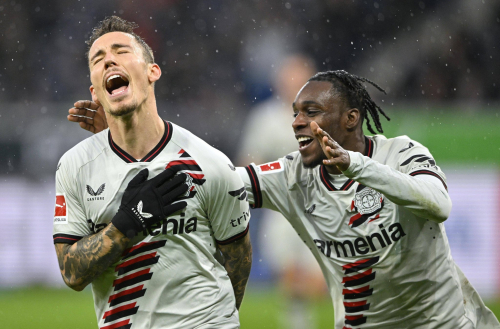
They are popularly called fullbacks when the team plays two center backs, but when it's a back three, they become wing backs, with more attacking than defensive responsibilities, because in the latter, they are positioned higher up the pitch.
Midfielders
Defensive Midfielder
Defensive midfielders are known to wear the number 6 shirt, acting as the team’s shield in front of the defence, positioned in front of the center backs.
They are usually the workhorses of the team, with the primary role of breaking up opposition attacks through tackles, interceptions, and pressing, while maintaining positional discipline.
Beyond defence, they act as the link that connects defence and attack, which is why many managers these days prefer the regista prototype due to their playmaking. Overall, preference depends on the style of play.
Central Midfielder
A central midfielder's duties are very similar to those of the defensive midfielders, but there are limitations to their defensive contributions, and hence, they are more advanced in position on the pitch.
They play box-to-box and are famous for wearing the No. 8 shirt. They are also renowned for their work rate but have better playmaking than the DMs, while they are complete with great ball striking, due to the position they find themselves in during attack.
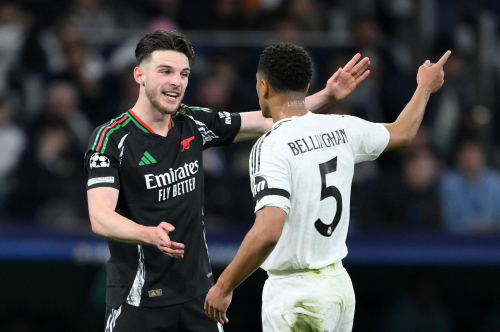
Central Midfielders are very versatile because they can find themselves at any position, whether in defence or attack, so they are required to possess various abilities, so the team can maximize them at any point in time.
Attacking Midfielder
The Creator in chief of every team. The attacking midfielder carries the burden of creating chances for the team during play, so they are very creative players.
Attacking Midfielders help break the shape of the opposition defence through precise line-breaking passes. They are the heart of the team's attack, and almost everything that gets to the striker passes through them.
They are famously known as the number 10, even though these days, soccer coaches have limited the reliance on them for creativity by fashioning other means, like through the wingers, wing backs, fullbacks, and even center backs.
Forwards
Winger
The speedsters of the team, wingers, are the players who hold the width in attack. Right and left wingers, known as the Numbers 7 and 11 respectively, act as support channels for the strikers during an attack.
Formerly, they were famous for creating chances through crossing and cutbacks; these days, they are the major source of goals, as they even outscore strikers on the team.
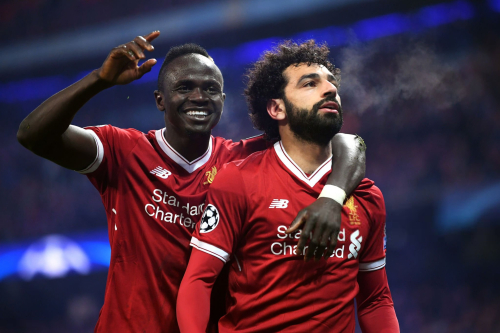
Wingers hold the width in attack, cut in and get shots away, or play in a teammate. As opposed to their usage decades ago, the right footer now plays on the left while the left footer plays on the right, to have the ball on their stronger foot when they cut inside.
Striker
The last line of attack. Strikers have one major responsibility: put the ball into the back of the net. As simple as that sounds, it could be the most complicated of all the actions that take place on the pitch.
Take, for instance, the average goal per 90 minutes in the 21st century is 2.5 to 3, according to Trends in Sports Science.
In summary, all positions are difficult, but in ranking, one has to make way for another.
What Is the Hardest Position in Soccer?
Hardest Position in Soccer Explained: Ranked from Easiest To Toughest
The debate over the hardest position in soccer often leaves us with different opinions. Every role on the pitch has its own challenges, but some demand more mentally, while others are more physically demanding. Some. Tactical.
Below is a ranking of the hardest positions in soccer, from the least difficult to the most, with insight into why it is so.
9. Attacking Midfielder
No position is easy in football, but some just have to come ahead of others when it comes to ranking. Operating in tight spaces, the attacking midfielder creates scoring opportunities through vision and precise passing.
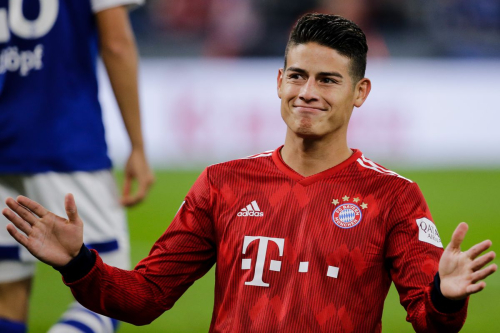
They face heavy marking and must still deliver moments of brilliance in the final third.
Their importance in recent years has declined, as some teams now prefer to use two central midfielders with a holding midfielder at the expense of a No. 10. However, when utilized, they still retain their status as the team’s top creative outlet.
8. Winger
Wingers stretch the pitch and often have defenders to beat before they can execute their primary duties, which are to deliver dangerous balls into the box or get shots away on their stronger foot.
While they also contribute defensively, their main task is to create attacking chances with pace and dribbling, but those are far more difficult than they sound.
7. Fullback
Fullbacks focus on defensive solidity while supporting attacks when possible. They take on more defensive responsibility than wingbacks, who already have three centre-backs behind them, with the side centre-backs (SCBs) offering flank protection.
It is a position that can lead to embarrassment, as they frequently face tricky wingers in one-on-one duels and must remain disciplined in their positioning.
6. Wingback
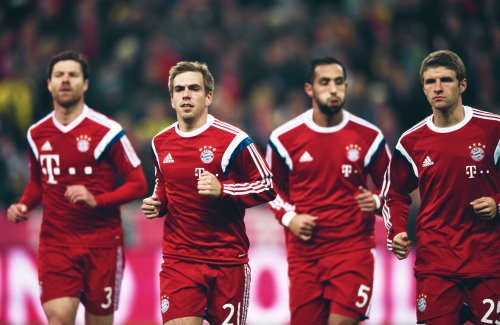
More like a central midfielder on the flank, the wingback merges fullback defensive duties with winger-like attacking responsibilities, influencing both defence and attack on the flanks.
They must sprint up and down the line, deliver crosses, and recover quickly to provide defensive cover. This hybrid role requires exceptional stamina and awareness, placing them as the sixth hardest position in soccer.
What is The Hardest Position In Soccer | Top 5?
5. Fifth Hardest Position in Soccer | Central Midfielder
Central midfielders control transitions, helping move the ball into advanced positions. They bear responsibility in both defence and attack, demanding sustained energy across the 90 minutes.
Their high work rate is essential, and the fact that they cover large areas of the pitch is why they rank as the fifth hardest position in soccer.
Their work, both on and off the ball, is decisive. They press to disrupt build-up play and, while not as defensively intense as a holding midfielder, the role demands consistency and sacrifice.
4. Fourth Hardest Position in Soccer | Striker
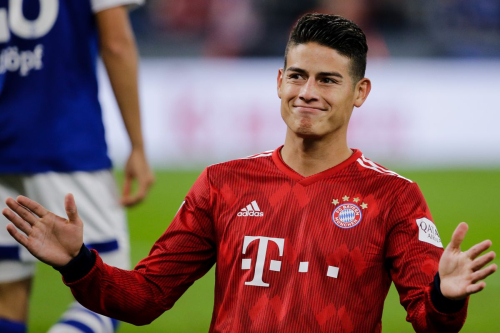
Strikers, like goalkeepers, are not heavily involved in general play and are judged by goals.
Finishing under pressure is tough, but that isn’t their only concern. They battle mentally with limited involvement and must convert the few clear chances they receive.
Although many argue they should rank lower since they rely on service, being a successful striker is complex. They must position themselves smartly to receive passes that are not always perfect.
Strikers have very little time to make decisions once on the ball, as defenders are quick to engage. That’s why the striker ranks as the fourth hardest position in soccer.
Is Center Back The Hardest Position in Soccer?
3. Centre-Back
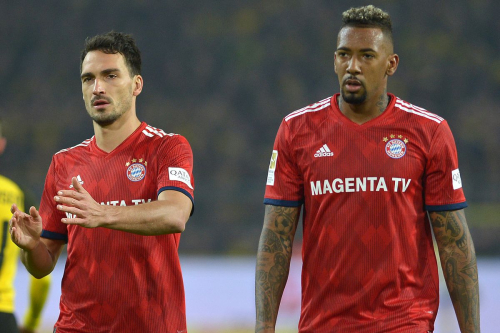
Centre-backs engage in constant physical duels, block shots, and organize the backline. The role is even more difficult in a pairing or back three, as defenders must coordinate with each other’s movements.
They must anticipate attacking runs, win duels, as losing even one could be fatal, and clear danger under intense pressure.
Centre-backs also influence fullback positioning and often lead the offside trap by calling teammates into line. A single error can prove disastrous.
Is Defensive Midfielder the Hardest Position in Soccer?
2. Defensive Midfielder
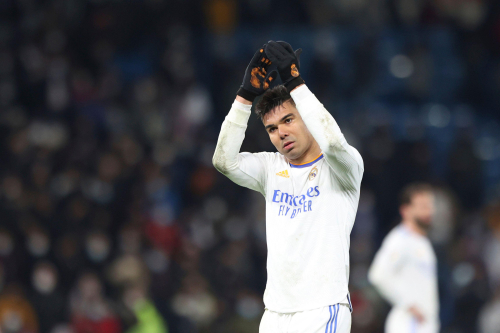
Defensive midfielder is the second hardest position in soccer as it shields the defence, breaks up play, and controls tempo through interceptions, recoveries, and duels. If they get overrun, the backline becomes exposed and the attack, disconnected.
Holding midfielders must read the game perfectly, cover spaces, and time their tackles while switching into attacking support mode. One of their strongest assets is positional discipline, as they cannot afford to be caught out of place.
This role is physically draining and tactically intense, making it one of the hardest positions in soccer.
What Is the Hardest Position in Soccer?
1. Goalkeeper – The Ultimate Pressure Role
As the last line of defence, this is the ultimate pressure position. Goalkeeper is the hardest position in soccer. Although the least involved in general play, they face the greatest responsibility when opponents break through.
One mistake can undo an entire game’s hard work.
The role demands risky skill sets, elite reflexes, aerial strength, pinpoint positioning, and mental fortitude.
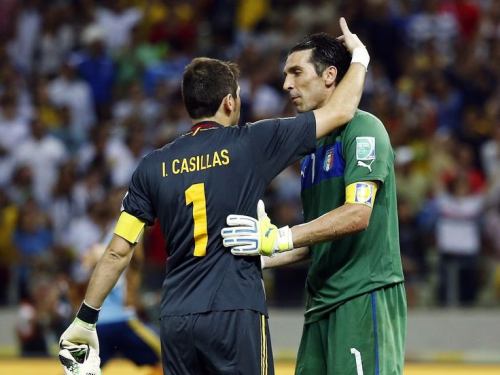
In the discussion around the hardest position in soccer, goalkeepers are rightfully top of the list due to the brutal nature of their job, and that recognition is well-deserved.

