
How to Create A Meal Plan for Soccer Players: Checkout A 7-day Meal Plan
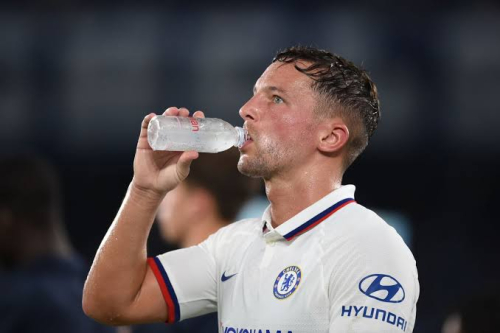
Creating an effective meal plan for soccer players is essential to support their energy demands, promote recovery, and maintain overall health.
The beautiful game as Pelé once referred, demands a combination of endurance, speed, and strength, making balanced nutrition essential.
The key in achieving this, lies in tailoring a plan that incorporates the right macronutrient balance, hydration strategies, and timing, because timing is the key to ensuring these nutrients are administered when needed.
A well-structured diet enhances performance of soccer players on the field and aids in injury prevention. However, even when the injuries eventually occur, it allows them recover in time.
Here's a comprehensive guide on how to create a meal plan for soccer players, to maximize their potential.
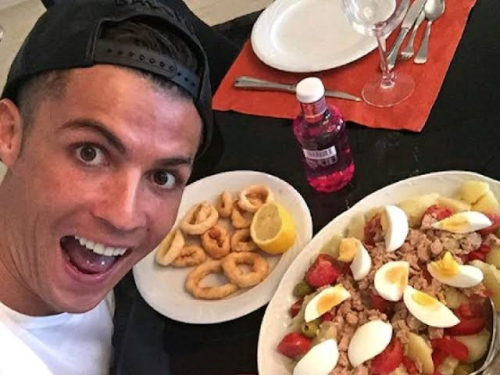
Known for his incredible longevity and peak physical condition, scoccef great Cristiano Ronaldo credits much of his success to a disciplined diet.
His meal plan focuses on lean proteins, complex carbohydrates, healthy fats, and plenty of hydration to support his rigorous training and recovery needs.
Rangers midfielder, Nicolas Raskin recognized that excess weight contributed to his injuries. By consulting with the club's chefs and improving his diet, he lost two to three kilograms, enhancing his agility and reducing injury risk.
The success of proper meal plan for soccer players has proven to be a key factor in ensuring long-term durability of players, while ensuring their peak years lasg longer.
Emphasis is now being laid up on what goes into the system of the players, and clubs seek to ensure the safety of their investments, even in a world were the level of competition is intense, and the number of games are skyrocketing.
How to Create A Meal Plan for Soccer Players
Understanding Macronutrient Balance
For soccer players to optimize performance and recovery, understanding macronutrient balance is crucial. Nonetheless the difference in age, macronutrients like carbohydrates, proteins, fats and hydration, are essential, and serve distinct roles in the body.
What Should A Soccer Player Diet Be?
A soccer player diet should include key components such as Carbohydrates, protein and fats to maintain a balance diet.
Roles of Carbohydrates in the Body
Carbohydrates (55-60% of total calories) are the primary energy source, especially during high-intensity activities.
Adequate intake of it's complex forms like whole grains, fruits, and vegetables, ensure sustained energy levels during training and matches, while it also enhances endurance and overall athletic output.
Carbohydrates is further broken down into glucose, fueling cellular activities and supporting physical performance.
Roles of Protein in the Body
Fundamental to numerous bodily functions, protein (20-25% of total calories) serves as the building blocks for tissues and organs. They play a crucial role in muscle repair and growth, especially after physical activities, by helping to repair and strengthen muscle tissue.
Additionally, proteins act as biochemical catalysts in the form of enzymes, facilitating vital chemical reactions necessary for soccer players to carry out their activities.
Proteins are vital for muscle repair and growth. Incorporating lean proteins such as chicken, fish, and legumes supports recovery and maintains muscle mass for soccer players.
Roles of Fats in the Body
Fats (20-25% of total calories) are necessary for overall health, as they aid in nutrient absorption and hormone production.
Healthy fats from sources like avocados, nuts, and olive oil should be included in the diet of soccer players in moderate amounts. Below is more on the roles of fats in the body of soccer players:
Energy Storage: Fats provide a concentrated energy source, delivering more than twice the energy per gram compared to carbohydrates or proteins.
This dense energy storage is vital for fueling bodily functions and physical activities soccer players engage in during their activities.
Nutrient Absorption: Certain vitamins, such as A, D, E, and K, are fat-soluble, necessitating fats for their absorption and utilization.
Without adequate fat intake, the body cannot effectively absorb these essential nutrients, hence failure to optimize the benefits of food taken in.
Cell Structure and Function: Fats are fundamental components of cell membranes, contributing to their flexibility and integrity.
They also play roles in regulating and signaling processes within the body, which maintains the overall conditioning of the body.
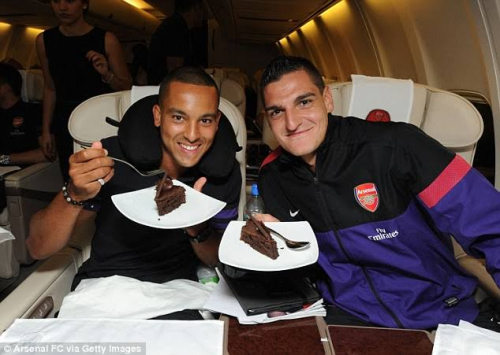
What is the Best Meal for A Soccer Player?
The best meal for a soccer player is one that fuels the body effectively, aids recovery, and supports overall health. Food should be balanced, nutritional, and timed strategically to maximize performance.
Carbohydrates, the cornerstone, as they provide the primary energy source. Proteins are equally essential, aiding muscle repair and recovery after intense training or matches.
Healthy fats, with emphasize on the word healthy, though often overlooked, play a critical role in providing sustained energy and supporting joint health, which is vital for the physical demands of soccer.
Factors to consider when creating a meal plan for Soccer Players
Hydration Strategies: Proper hydration is crucial for performance and recovery. Implementing a personalized hydration plan, such as calculating individual sweat rates, can help maintain optimal fluid balance during training and matches.
A meal rich in water-containing foods, such as fruits and vegetables, paired with adequate fluid intake should be administered to soccer players.
Micronutrient Intake: Ensuring adequate consumption of vitamins and minerals supports overall health and athletic performance. For example, iron is vital for oxygen transport, and vitamin D is important for bone health.
Recovery Nutrition: Post-activity meals or snacks that include both carbohydrates and proteins can aid in muscle repair and replenish glycogen stores. Consuming these within 30 minutes to an hour after exercise is beneficial.
Anti-Inflammatory Foods: Incorporating foods like salmon, walnuts, and dark leafy greens can help reduce inflammation and aid in recovery from fatigue and injuries.
Pre-Match Meal
A pre-match meal is essential for preparing a soccer player’s body for peak performance. It should be consumed three to four hours before the game to allow for proper digestion while providing sustained energy and hydration.
The meal must focus on carbohydrates, as they are the primary fuel for the body during high-intensity activities.
Complex carbohydrates such as brown rice, whole-grain bread, or sweet potatoes are ideal because they release energy steadily, preventing fatigue.
Proteins also play a role in a pre-match meal, but in moderation, as excessive protein can slow digestion, while fats should be limited in this meal because they take longer to digest and can leave players feeling sluggish.
Post Match Meal
A post-match meal is taken for recovery, helping to repair muscles, replenish glycogen stores, and rehydrate the body after the soccer expedition.
Consumed within 30 minutes to two hours after the game, this meal should focus on a balance of carbohydrates, which are essential to restore depleted energy reserves, with options like rice, pasta, or fruits providing quick and effective replenishment.
Proteins are equally important to support muscle repair and reducing soreness. Lean protein sources such as grilled chicken, fish, or plant-based alternatives are excellent choices.
How to Create A Meal Plan for Soccer Players
7-Day Meal Plan for Soccer Players
A well-structured 7-day meal plan is essential for soccer players to maintain energy levels, support muscle recovery, and enhance overall performance.
This plan emphasizes balanced nutrition, incorporating complex carbohydrates, proteins, healthy fats, and adequate hydration.
Day 1:
- Breakfast: Oatmeal prepared with skim milk, topped with sliced bananas and a sprinkle of walnuts.
- Lunch: Grilled chicken breast served alongside quinoa and sautéed spinach.
- Dinner: Baked salmon accompanied by sweet potatoes and steamed kale.
- Snack: Greek yogurt mixed with blueberries and chia seeds.
Day 2:
- Breakfast: Whole grain toast topped with scrambled eggs and avocado slices.
- Lunch: A turkey sandwich on whole grain bread, layered with lettuce, tomato, and hummus.
- Dinner: Ground turkey stir-fried with bell peppers and broccoli, served over brown rice.
- Snack: Cottage cheese paired with fresh strawberries.
Day 3:
- Breakfast: A smoothie blended with Greek yogurt, strawberries, banana, and almond milk.
- Lunch: Chicken salad composed of mixed greens, carrots, and a light olive oil dressing.
- Dinner: Baked salmon served with quinoa and roasted bell peppers.
- Snack: Apple slices accompanied by peanut butter.
Day 4:
- Breakfast: Greek yogurt topped with granola and sliced apples.
- Lunch: Quinoa bowl featuring grilled chicken, spinach, and avocado.
- Dinner: Whole grain pasta tossed with mozzarella, tomatoes, and fresh basil.
- Snack: A banana paired with almond butter.
Day 5:
- Breakfast: Cottage cheese drizzled with honey and mixed with blueberries.
- Lunch: Tuna salad combined with tomatoes and cucumbers, served with whole grain bread.
- Dinner: Grilled turkey breast accompanied by sweet potatoes and steamed broccoli.
- Snack: Greek yogurt mixed with pineapple chunks.
Day 6:
- Breakfast: A smoothie made with Greek yogurt, bananas, and a spoonful of peanut butter.
- Lunch: Salmon wrap using whole grain bread, filled with spinach and hummus.
- Dinner: Chicken stir-fry prepared with bell peppers and onions, served over brown rice.
- Snack: A handful of almonds and an orange.
Day 7:
- Breakfast: Oatmeal cooked with almond milk, topped with sliced strawberries and bananas.
- Lunch: Grilled chicken salad featuring mixed greens, avocado, and an olive oil-lemon dressing.
- Dinner: Turkey breast served with quinoa and steamed carrots.
- Snack: Cottage cheese accompanied by sliced apples.
This meal plan ensures that players receive the necessary nutrients to support their rigorous training schedules.
Incorporating a variety of foods not only meets dietary needs but also keeps meals interesting and enjoyable.
Adjustments can be made based on individual preferences, dietary restrictions, and specific energy requirements while it is also advisable to exercise at intervals.
