
How Do Football Referees Handle Crowd Effect and the Loudest Stadia in Football
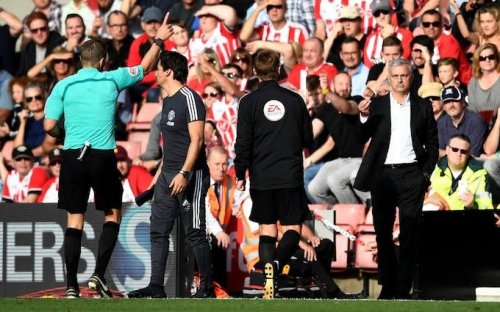
Football referees are one of the most determinant factors in the outcome of football games because they are the ones who take charge of the games, by implementing the laws.
They operate in high-pressure environments where the "crowd effect" can significantly influence their decision-making. The noise and energy of fans, particularly the home fans, create a unique challenge for them.
Understanding how they handle these pressures offers valuable insight into the psychology and mechanisms of modern officiating.
The Psychology Behind the Crowd Effect
The crowd effect refers to the influence of spectators on the behavior and decisions of participants, including players, coaches, and referees.
It is worth noting, despite it being no longer news that referees are very controversial persons and they sometimes favor or appear to favor a certain team due to personal preferences, although it is unprofessional, they are human.
Studies suggest that a crowd's collective noise and reactions can subconsciously sway a referee's judgment.
For example, referees may feel a heightened sense of pressure to make decisions favoring the home team, contributing to the well-documented home advantage in sports.
How Crowd Noise Influences Decision-Making?
The auditory onslaught of cheers, boos, and chants can create cognitive overload, impacting referees' ability to focus on the proceeding.
Loud crowd reactions have been known to increase the likelihood of decisions such as awarding penalties or free kicks to the home side.
This subconscious bias stems from a natural human tendency to avoid conflict or disapproval, particularly when faced with thousands of opposing voices.
How Do Football Referees Handle Crowd Effect?
Building Mental Toughness to Withstand Crowd Influence
Ultimately, mental toughness is a cornerstone of successful refereeing. Referees cultivate this skill through years of experience, learning to thrive under pressure and embrace the challenges posed by passionate fans.
Their ability to stay calm and focused under intense scrutiny is a testament to their professionalism and dedication to the sport.
Mindfulness practices, such as deep breathing and grounding exercises, also help them stay present and calm under pressure.
Visualization techniques allow referees to mentally rehearse decisions in a controlled manner, reducing the impact of external distractions.
Cognitive reframing helps them interpret crowd noise as background energy rather than a personal critique.
Moreso, referees train to focus solely on the game, using situational awareness to prioritize key moments over external influences.
Football Stadiums With the Most Crowd Effect
Several football teams are renowned for their vociferous home crowds, which create an intimidating atmosphere for visiting opponents as well as the referees.
In the English Premier League, Liverpool's Anfield Stadium is famed for its rendition of "You'll Never Walk Alone," contributing to its reputation as one of the loudest venues.
Similarly, Newcastle United's St James' Park is celebrated for its passionate supporters, often ranking among the top for stadium atmosphere.

In the German Bundesliga, Borussia Dortmund's Signal Iduna Park, particularly the "Yellow Wall" terrace, is known for its formidable noise levels, creating a daunting environment for visitors.
These fervent fan bases exemplify the profound impact that home supporters can have on the ambiance of the games.
How does the referee control the players?
Referees employ a combination of authority, communication, and disciplinary measures to maintain control over football players during a match.
Their primary responsibilities include enforcing the Laws of the Game, managing the flow of play, and ensuring player safety. Below are some of the strategies employed to achieve their purpose:
1. Communication and Presence
Effective communication is crucial. Referees often address players by name, maintain eye contact, and use clear signals to convey decisions, fostering mutual respect and understanding.
Building rapport with players can preempt potential conflicts and encourage cooperation throughout games.
2. Application of the Laws
By consistently applying the rules, referees set clear expectations for acceptable behavior since the players are not all ignorant about it.
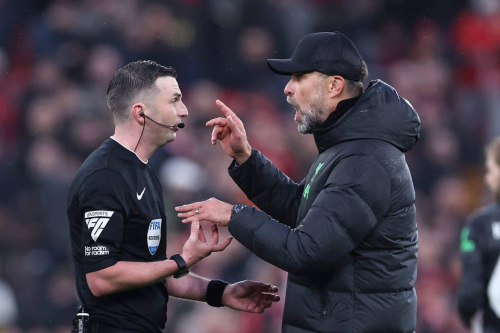
This includes making prompt and decisive calls on fouls and misconduct, which helps in deterring infractions and maintaining the match's integrity.
3. Managing Dissent
Handling player dissent is a critical aspect of match control. Strategies such as clear communication, active listening, and enforcing respect help referees maintain authority and keep the game running smoothly.
The introduction of measures like bookings for dissenting players has also promoted fair play and upholds the game's integrity.
4. Disciplinary Actions
Issuing yellow and red cards serves as a formal method to penalize and control players' conduct.
The strategic use of these sanctions reinforces the importance of adhering to the rules and maintaining order on the field.
5. Utilizing Assistants and Technology
When the referee is unaware of an incident that has taken place, consulting assistants or using the VAR technology has made things easier.
They provide more insight on things and allow the referee to make the correct decisions.
Can a Referee Overrule?
Yes, a referee can overrule decisions in a football match if they believe an error has been made or additional information becomes clear.
The referee holds ultimate authority on the field and can overturn decisions made by assistants, such as incorrect offside calls or missed fouls.
However, overruling must align with the Laws of the Game and occur before play resumes. The use of VAR (Video Assistant Referee) can also aid in reviewing and correcting decisions, ensuring fairness and accuracy in critical moments.
Can a Referee Be Overruled?
No, a referee cannot be directly overruled during a football match, as they hold ultimate authority on the field.
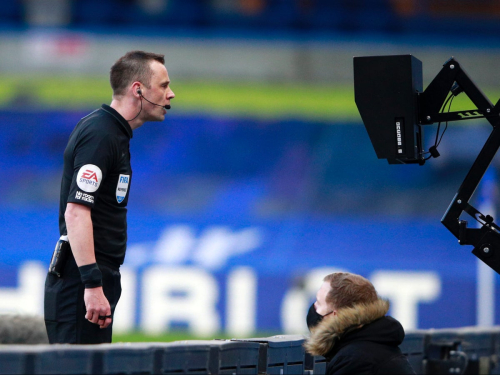
However, decisions can be influenced through consultation with assistant referees or VAR (Video Assistant Referee) in competitions where it is used.
VAR provides recommendations, despite this, the final decision always rests with the on-field referee.
Post-match, governing bodies may review and amend decisions or disciplinary actions if necessary, but this does not overrule the referee’s authority during the game.
Does crowd noise affect players?
Crowd noise significantly impacts football players, influencing both performance and game dynamics.
For the home team, enthusiastic supporters can boost morale and create a motivating atmosphere, often called the "12th man."
This phenomenon enhances player confidence and energy levels, which is why home teams have the advantage over
the visiting teams, because for the latter, high decibel levels can disrupt communication and concentration.

