
ARC Raiders Combat Guide: Master Movement, Throwables & Positioning
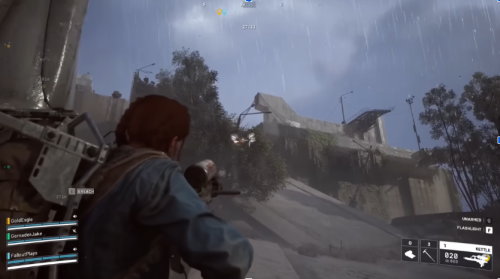
Third-person shooters usually reward aggression. But ARC Raiders flips that script completely.
The game punishes rushing. It rewards patience, positioning, and those players who understand that throwables matter more than raw aim. After analyzing hundreds of combat encounters and pro strategies, one thing became crystal clear: winning fights isn't about who shoots first.
It's about who thinks three moves ahead.
This guide breaks down the combat mechanics that actually move the needle. No fluff about basic controls or obvious tips. Just the systems, strategies, and techniques that separate survivors from loot drops.
The Combat Foundation: Why This Isn't Your Typical Shooter
Most shooters reward reaction time above everything else. ARC Raiders built its combat around momentum, environmental awareness, and weak point exploitation instead.
Damage calculations prioritize precision on ARC enemy weak spots. Hitting a rotor versus hitting armor isn't just a 20% difference. It's closer to 200-300% more effective. That multiplier defines every engagement.
Movement carries over between actions. Sprint into a zip-line and you'll fly down faster than someone who walked up to it. Slide into a tackle and you maintain rhythm for pursuits or quick mine drops. Even dismounting a zip-line early (around 60% down) keeps you quieter for stealth positioning.
The third-person camera creates unique advantages. You can hug corners and manipulate your view to see enemies without exposing yourself. This isn't cheating the system—it's understanding how the game expects you to play.
Weapon Meta and When Each Type Matters
Light ammo weapons excel at targeting ARC rotors but struggle with awkward angles. The Anvil stands out for a different reason: undocumented high hip-fire accuracy that makes it deadly in close-range peeks.
Here's what actually works in February 2026:
The Anvil dominates close quarters. You can peek corners without aiming down sights and still land accurate shots. Most players don't know this because the game doesn't explicitly tell you. But test it yourself—the hip-fire accuracy rivals many weapons' ADS performance.
Light ammo shines at mid-range against mechanical enemies. Those rotor weak points on ARC foes become much easier to hit when you're not trying to thread shots through narrow angles up close.
Weapon choice matters less than throwable selection though. Grenades define the meta more than any gun. Blaze grenades create chain reactions against elite enemies when positioned correctly. Smoke splits 1v2 situations by obscuring one angle while you focus fire on the isolated target. Poison mines deny roadblocks and catch pursuers.
If your loadout doesn't include at least three blaze grenades, you're handicapping yourself before the match starts.
Movement Mechanics That Win Fights
Speed isn't about sprinting everywhere. It's about maintaining momentum through smart transitions.
Sprint momentum carries into zip-lines for faster traversal. But more importantly, knowing when to disengage creates opportunities. Drop off a zip-line at 60% completion and you minimize noise while maintaining speed. That split-second decision between "finish the ride" or "drop early" often determines whether you get the jump on an enemy or they hear you coming.
Slide-tackles maintain rhythm. You're not just sliding for style points. The mechanic lets you chase opponents smoothly or drop mines mid-pursuit. It feels awkward at first but becomes essential once you see how fluidly top players chain movement together.
High ground isn't just advantageous—it's often mandatory. ARC bosses like Bastions become significantly easier when you're firing down from elevated positions. The angle exposes weak points that remain covered from ground level. Ledges enable near-silent drops for ambushes too, as long as you understand the difference between a quiet thud and a loud crash.
The Grenade Economy and Resource Management
Throwables determine more fights than weapons do. That sentence feels wrong if you're coming from traditional shooters. But it's accurate.
Blaze grenades flush enemies from enclosed spaces and chain damage across multiple ARC elites. Three well-placed blaze throws can eliminate threats that would take magazines of ammo otherwise. Against human players, blaze forces movement and breaks defensive setups.
Smoke grenades create impossible situations for opponents. You mark an enemy before throwing smoke (always mark first—they'll be visible to you but not them). Then you split multi-target encounters into sequential 1v1s. The opponent trapped behind smoke either waits and dies to your partner's flank, or pushes blind and dies to your pre-aimed position.
Poison mines turn retreats into traps. Pursuing players don't expect the sudden damage and often panic. Even if they spot the mine, you've bought time to reposition or reload.
Resource management extends to stamina too. Avoid unnecessary sprinting. The temptation to run everywhere costs you in fights. That depleted stamina bar when an enemy appears means you can't dodge, can't strafe effectively, can't slide-tackle away. Skills like Fight or Flight restore stamina on damage (with a cooldown), and Survivor's Stamina accelerates regeneration when you're critically hurt. But relying on these means you're already making mistakes.
Conservation beats recovery every time.
Positioning Strategies From Top Players
Pro players don't rush. They enter methodically, using throwables to open engagements and splitting multi-target scenarios before firing a shot.
The pattern repeats across high-level matches: scope rooms silently, peek with camera manipulation, wait for shoulder glints at corners. Then—and only then—commit to the engagement. Impatient players die to patient ones more than 60% of the time in contested areas.
Spawn memorization provides prediction power. Once you know where players commonly appear, you can pre-rotate and set up before they arrive. The intel advantage is massive. You're not reacting to their presence; they're walking into your prepared position.
Post-kill routines matter as much as the kill itself. The moment you down someone, execute this sequence: reload, restore status effects, reposition before looting. Players who loot immediately die to third parties or the downed player's teammates. Always finish downed enemies too—defibrillators can undo your work if you don't confirm kills.
Pro-Level Techniques and When to Use Them
Camera manipulation at corners reveals more than most players realize. You can angle the view to see around obstacles without exposing your character model. This isn't an exploit—it's understanding third-person perspective mechanics. But most players either don't know about it or don't practice it enough to use naturally.
Hip-fire peeks with the Anvil let you trade shots without the ADS vulnerability. You can duck back into cover faster and repeat the process. Against opponents who commit to full ADS, you'll out-trade them despite equal aim.
Duo flanks on Bastions from raised cover exemplify coordinated play. One player draws attention from ground level while the partner exploits high ground angles. The Bastion's AI can't effectively track both threats, and the elevated player has clear shots at weak points.
Arc lures combined with scanners create chaos. You sic AI enemies on human opponents, forcing them to fight two threats simultaneously. The distraction often proves fatal, and even if they survive the AI, they're weakened for your follow-up.
For serious players looking to gain every advantage possible, services like Battlelog offer tools that complement these strategies, though mastering the base mechanics remains essential.
Common Mistakes That Get You Killed
Rushing to loot after kills tops the list. You just made noise, everyone nearby knows your position, and you're staring at items instead of watching angles. Reposition first. Loot second.
Sprinting when unequipped wastes stamina for marginal speed gains. Momentum preservation through slides and zip-line boosts provides better results without draining your ability to fight.
Ignoring downed crawlers costs matches. They move surprisingly fast and can reach cover for revives. Finish them. Every time. No exceptions.
Failing to mark enemies before using smoke defeats the point. You need to maintain visual on targets through the obscuration. Mark, then smoke, then engage.
Chasing without mine coverage turns you into the prey. That retreating opponent might be leading you into their teammate's crossfire. A poison mine behind you prevents the collapse while you pursue.
Training Drills That Actually Improve Performance
Fifteen minutes daily on peek practice transforms awareness. Find corners, practice camera manipulation, and work the shoulder-glint timing until it's automatic. This single drill improves survival more than aim training for most players.
Grenade weak-spot throws need muscle memory. Set up targets and practice landing three blaze grenades in position against elite spawn points. The accuracy required feels excessive until combat starts and you realize how much chaos prevents perfect throws.
Zip-line dismount drills build timing. Practice hitting ledges at 60% completion. The difference between a loud finish and a quiet drop determines whether ambushes succeed or fail.
Spawn memorization should be part of every session. Walk the map, note common appearance points, and visualize rotation patterns. Twenty minutes of active memorization beats hours of passive exposure.
The Current Meta and What It Means
February 2026 favors throwable-heavy loadouts with mobility tools. The Anvil for close-quarters peeks, blaze grenades for ARC encounters, and smoke for player engagements creates a flexible foundation. Grappling hooks provide zip-line speed boosts and emergency escapes.
Skills emphasize sustain. Fight or Flight for critical stamina restoration, Professional Pryer for faster breaches, Survivor's Stamina for recovery under pressure. These extend your ability to stay in contested areas.
Ranked play rewards patience and spawn knowledge more than mechanical skill. Aggressive players might win casual matches but struggle against methodical opponents who control positioning and resource economy.
The meta will shift with patches, but the fundamentals—momentum preservation, throwable prioritization, positioning over aggression—remain constant. Master these and you adapt faster when balance changes arrive.
Combat in ARC Raiders rewards thinking players. The ones who understand weak points, maintain momentum, position before shooting, and manage resources outlast those with better aim but worse decision-making. Learn the systems, practice the mechanics, and execution follows naturally.

