
From Maldini’s Hope to Political Chaos: Why Italian Football Can Never Just Be Normal
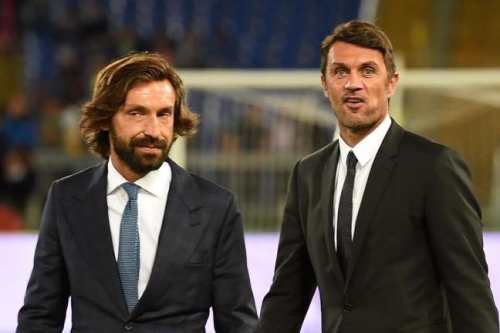
If anyone ever needed proof that Italian football can turn the ordinary into the extraordinary, the past few weeks have provided enough material for an entire television series. What should have been a straightforward rebuilding process for the Italian national team has instead become another chapter in the endless drama that seems to follow the Azzurri off the pitch.
After the country's unprecedented failure to qualify for a third consecutive FIFA World Cup, the Italian Football Federation (FIGC) promised change. However, what began as an ambitious restructuring project has quickly evolved into yet another episode of the never-ending drama that seems to follow Italian football.
From the appointment of Paolo Maldini to the failed pursuit of Pep Guardiola and the controversy surrounding Andrea Pirlo, every development has raised fresh questions about whether stability is even possible in one of football's most passionate nations.
Paolo Maldini's Arrival Offered Hope
When Paolo Maldini accepted a senior sporting role within the FIGC, optimism spread quickly across Italy. Few figures command as much respect in Italian football as the former AC Milan and Italy captain.
His successful spell as a football executive at Serie A giants AC Milan between 2018 and 2023 demonstrated that his leadership extends beyond his legendary playing career.
Bringing Leonardo into his football project only strengthened the belief that Italy had assembled experienced football minds capable of restoring the national team's identity. For a brief moment, it appeared the federation had found a clear direction.
The Guardiola Dream Ends Before It Begins
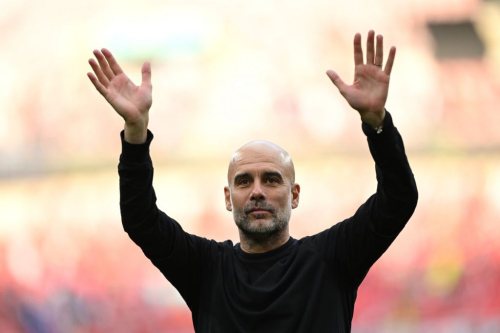
The biggest surprise came when Pep Guardiola emerged as Italy's preferred choice to lead the national team. The prospect immediately captured the public's attention due to the Spaniard's reputation.
Guardiola's tactical influence has reshaped modern football, and appointing him would have represented one of the boldest decisions in the history of the Azzurri.
However, the dream ended almost as quickly as it began. Guardiola declined the opportunity, choosing to continue with his Sabbatical and spend more time with his family, a decision that forced the FIGC back to square one.
While disappointment was inevitable from the former Manchester City coach, the failed pursuit also highlighted how challenging the Italy job has become, even for one of football's greatest managers.
Andrea Pirlo Becomes the Next Talking Point
Following Guardiola's decision, attention shifted to former Italy international and a former teammate of Maldini, Andrea Pirlo - a World Cup winner and one of Italy's finest midfielders. Pirlo naturally possesses the stature required for the role.
Yet his coaching career remains relatively young, with mixed experiences at Juventus and Sampdoria, leaving opinions divided on whether now is the right time for him to lead the national side.
Despite those questions, Pirlo quickly emerged as one of the leading candidates.
When Politics Enters Football
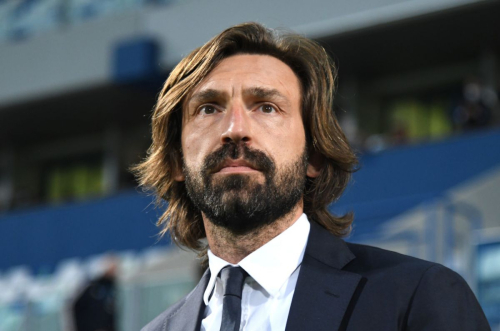
The discussion surrounding Pirlo soon moved beyond football, and reports suggested that political figures opposed his appointment because of his commercial association with Russian betting company Fonbet.
Suddenly, the debate was no longer centred on coaching philosophy or tactical suitability but on political considerations. Whether those concerns are justified or not, the situation once again demonstrated how football governance in Italy rarely exists in isolation from wider public debate.
Maldini's Reported Resignation Threat Raises the Stakes
Perhaps the most dramatic twist came with reports that Paolo Maldini was prepared to resign if Andrea Pirlo's appointment was blocked for reasons unrelated to football.
If accurate, the development illustrates the growing tension within the federation, and would also represent a significant setback for a rebuilding project that is only just beginning.
Instead of presenting a united front, Italy once again finds itself dealing with internal uncertainty before a new coach has even been appointed.
Roberto Mancini's Name Returns
As if the situation needed another twist, Roberto Mancini has re-entered the conversation. The man who guided Italy to European Championship glory before his controversial departure is once again being linked with the national team.
His return would certainly bring experience, but it would also underline a recurring theme in Italian football—looking backwards whenever the future becomes uncertain.
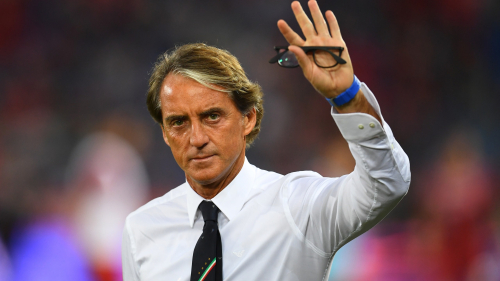
The constant recycling of familiar names raises legitimate questions about whether Italy is building for the next decade or simply reacting to the latest crisis.
The Bigger Problem Isn't the Coach
The coaching search has dominated headlines, but Italy's deeper challenge goes far beyond choosing between Guardiola, Pirlo or Mancini. The national team needs long-term planning, a consistent football philosophy and a development pathway that survives changes in leadership.
Successful football nations rarely rebuild by chasing the biggest available name whenever a vacancy appears. Instead, they establish structures that remain stable regardless of who occupies the dugout.
England and Spain have shown this with the appointment of Thomas Tuchel and Luis De La Fuente, respectively. Italy, too, possesses enormous talent, passionate supporters and one of football's richest histories just like these countries. What it has lacked in recent years is continuity.
Italian Football's Endless Drama
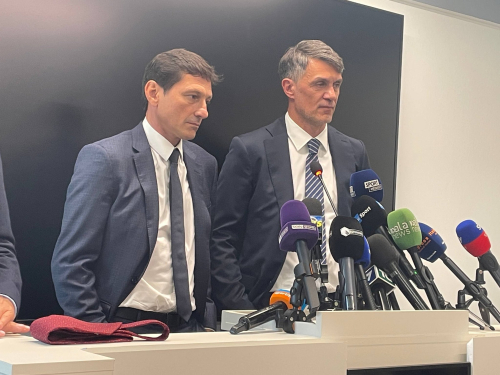
There is a reason Italian football continues to fascinate fans around the world. Few countries combine history, emotion, rivalry and unpredictability quite like Italy. Yet those same qualities often create unnecessary distractions that prevent long-term progress.
The sequence of the incidents of the past few weeks would sound unbelievable almost anywhere else. But in Italy, it feels like just another summer.
Meanwhile, fans are not asking for miracles; they just want decisions driven by football rather than endless controversy, and until that happens, every attempt to restore the Azzurri may continue to be overshadowed by the drama unfolding away from the pitch.
Sometimes, one normal day really is all Italian football fans are asking for, but by the looks, those days have been long gone.
