
How Eritrea's withdrawal Could Hand Nigeria 2026 FIFA World Cup Lifeline
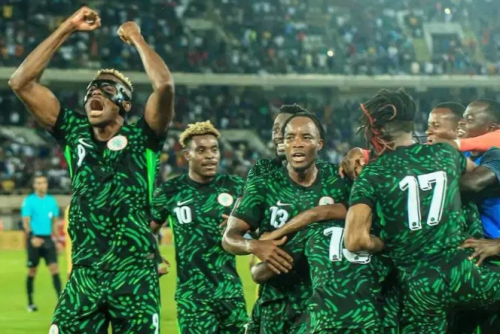
For some African countries, the right to participate in the 2026 FIFA World Cup, which has been earned through sweat and sacrifice in the pitch, may be taken away due to a technical adjustment by FIFA and CAF to compensate for the shortage of teams in Group E.
In accordance with a circular issued by CAF in March 2025, signed by its Director of Tournaments and Events, Samson Adamu, the federation announced that points earned against the bottom-placed teams in each group will not be counted when comparing second-placed sides for the playoffs.
"The adjustment aligns with Article 11.5 of the FIFA World Cup 2026 preliminary competition regulations, which allows confederations to modify ranking methods if a group has fewer teams due to withdrawal or disqualification.
“With Eritrea pulling out of the qualifiers, CAF had to ensure that the comparison of group runners-up remains fair and transparent. This decision follows FIFA’s directive to maintain balance in global qualification,” the statement explained."
The implementation of this ruling could see nations that have earned their 2026 FIFA World Cup tickets on the pitch end up missing out on the finals, due to the teams against which they won their points.
What Really Happened in Group E of FIFA World Cup Qualifiers - CAF?
Despite being drawn in Group E of the CAF FIFA World Cup qualifiers that kicked off almost two years ago in November 2023, alongside Morocco, Niger, Tanzania, Zambia, and Congo, Eritrea never took part, and their inactivity is now set to affect nations who have earned their slots in the pitch.
Why did Eritrea withdraw from the World Cup qualifiers?
Before kicking a ball, Eritrea withdrew from the 2026 FIFA World Cup qualifiers due to concerns about players potentially fleeing during away fixtures, issues around infrastructure, and other internal constraints.
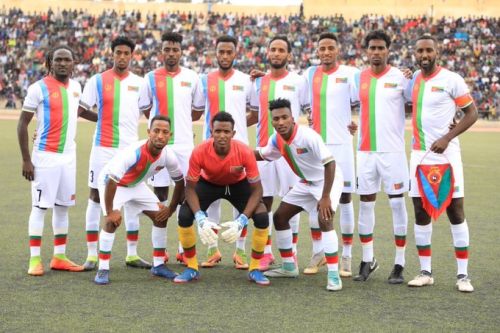
More than 60 players have fled the country when representing the national team away from home since 2009, due to the authoritarian system in the country, a reality that has left them out of competitive games since 2019.
Officially, FIFA and CAF cancelled all of Eritrea’s matches in Group E, leaving the remaining five nations with four opponents each, which translates to two games short of their counterparts from other groups.
What are CAF/FIFA doing to keep things fair?
Recent reports suggest that CAF and football's governing body have devolved matters on how the situation of points calculation should be handled in lieu of one of the entrants in the qualifiers not taking part.
Eritrea’s withdrawal creates a group (Group E) that has fewer teams than the others, hence, it unbalances the structure, especially in how the best runners-up across groups are compared.
Niger currently sits second in the Group with 12 points from seven games, two less than the other second-best placed teams heading into the final round of the qualifiers. If nothing is done, they stand no chance against those who have played more games.
To ensure fairness across groups, CAF is making these adjustments by excluding results against bottom-placed teams in all other groups when comparing second-placed teams across all the groups for qualification.
Consequences of CAF/FIFA's decision?

This approach by CAF/FIFA, if implemented, means the second-best-placed teams in other groups will have points earned against bottom clubs removed, with some nations losing as many as six points.
For example in Group A, where Burkina Faso has sealed second spot with 18 points, six of which they earned against bottom of the table Djibouti, plus a goal difference of nine from their positive 13, they will lose all these, and will be left with 12 points and a goal difference of positive four, ahead of their final group game, when compared to other second best placed teams.
The likes of Madagascar, and Gabon will also lose six points each, while Cameroon will lose four should Eswatini finish bottom, if this ruling stands, leaving them handicapped after it appeared they've all done enough for the second-best slots.
How could Nigeria benefit from this Ruling?
Zimbabwe is officially confirmed as the bottom team in Group C, where the Super Eagles of Nigeria currently sit third with 14 points, three off first-place Benin, whom they host in Uyo in the final round of the 2026 FIFA World Cup qualifiers.
Already, a win for them in the fixture will take them to 17, which will see them finish as group winners should South Africa fail to beat Rwanda in Nelspruit.
However, should they win and South Africa also win, it leaves them in second place, eligible for the discussion of the points deduction, where they will lose just two points for their two draws against Zimbabwe.
With those 15 points, they stand a better chance of qualifying as one of the best second-placed teams, given that teams from other groups earned many more points from their bottom teams, with some winning as many as six.
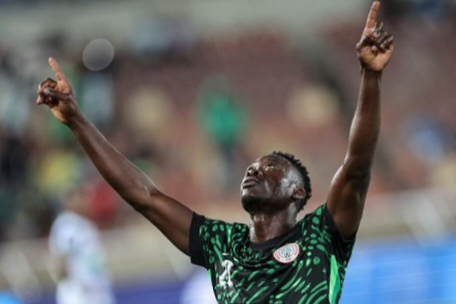
A qualification hope that looked dead may now be left in their own hands to decide. A win at home against Benin, the team managed by their former boss Gernot Rohr, and the only country to have beaten them in the ongoing qualifiers.
If this ruling is implemented, this could be the most significant match for the Super Eagles in a while. A chance to get your revenge and win against your former boss, finishing a campaign that looked hopeless with a climax.
What is still slightly uncertain / in progress?
Although the circular is official, recent reports suggest that CAF is considering adjusting the format rather than simply implementing it.
A decision isn't yet final, but fans across Africa and the world continue to keep their fingers crossed, especially Nigerians, who could be saved from a generational embarrassment should the ruling be implemented.
Would this be a fair Ruling?
While the goal of CAF is to ensure fairness, the fact that this rule is limited only to second-placed teams may not make it as fair as the body wants it to be.
If adopted, some nations would lose their earned tickets to the 2026 FIFA World Cup, whereas they could have finished top of their groups if the point deduction were extended across all teams in all of the other groups.
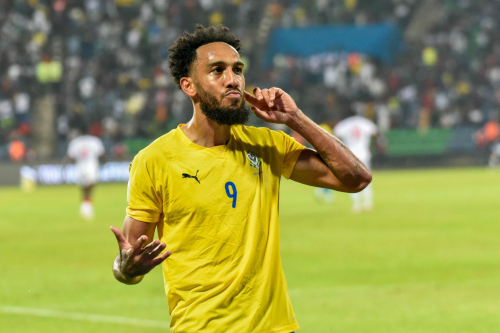
Nevertheless, CAF would end up denying nations who have earned the rights to play on the pitch, and giving to those who haven't.
Maybe a simple calculation of average points earned per game would be a better alternative to judge the matter, but ahead of a final decision by the federation, this would hurt the dream of nations, if second-best placed teams are docked points earned from bottom-placed teams.

