
Football Positions and Numbers Explained: A Guide for Nigeria
Football Positions and Numbers Explained in Nigeria
Football is popular in Nigeria and appreciated in many communities. One of the many ways to understand the sport is to analyze the players’ positions, which could reflect the structure of the team and the progression of the game. Every football player has a role on the field, which corresponds to a unique number on their jersey. You will come across meanings and histories regarding different positions on the pitch, and the different numbers worn by players. Join us with 888starz mobile app download and explore the guide below. Here, we will cover the football positions and numbers in Nigeria for the benefit of fans and players.
Overview of Football Positions and Numbers
Football is divided into a number of positions, each with a unique role and function. In general, those positions can be divided into four main categories: goalkeeper, defender, midfielder, and forward. In the early days of football, the assignment of numbers to players was a means of simple role distribution, which over time, became associated to a certain class of positions or even a style of play.
Nigerian local clubs, as well as national teams, adopt the international number system organized by FIFA. Nigerian teams do take their own creative liberties and also letting players become the picker of numbers that hold personal or cultural meaning.
Positions Numbers Explained
Every football team has a specific structure to organize the players. The framework includes assigning players numbers 1-11 based on the role they play. Players who come on as substitutes are numbered 12 and above. Although football numbering has become more flexible, Nigerian football culture still clings to the tradition.
- 1: Goalkeeper
- 2-5: Defenders
- 6-8: Midfielders
- 9-11: Forwards
Nigerian footballers are cognizant of the tactical and numerical theories behind the game. Most football academies ensure every player, irrespective of the position they play, understands the game well.
Goalkeeper (Number 1)
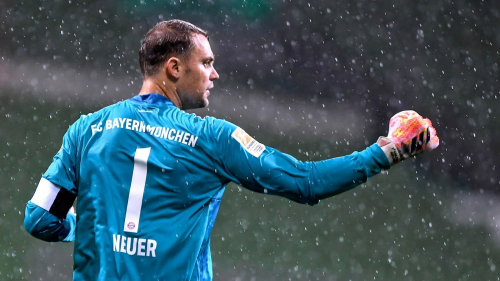
Positioning as a Goalkeeper remains the most specialized position in football. To become a Goalkeeper, one must acquire special attributes as they are the only players allowed to handle the ball within a specific area of the field. In Nigeria, the position of a Goalkeeper use their hands and extends to stopping the ball. It includes organizing the team and starting an offensive play with accurate distribution.
Role
The primary role of a Goalkeeper is to ensure the opposite team does not score, which includes neutralizing every strategic shot at the goal. Nigerian goalkeepers command a line of defense and are role models because of their strong leadership. Players such as Vincent Enyeama and Peter Rufai built their careers on their remarkable reflexes and game psychology.
Contemporary goalkeepers in Nigeria are trained to become ‘sweeper-keepers’; that is, they play a role in goal and partake in the team’s build-up play as well. They also don the number one (1) jersey, a symbol in football that represents the ‘last line of defense’ while also being the ‘first point of attack’ as they play the role of the ‘goalie’ in the team.
Defenders (2–5)
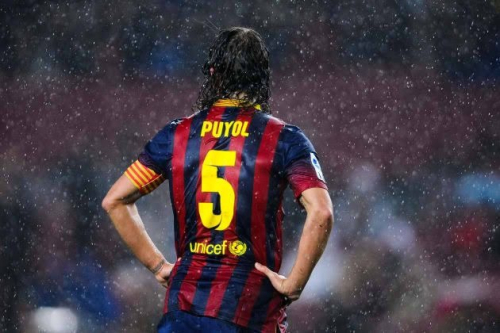
Defenders are the backbone of any football team. They carry the main responsibility of stopping opposing players while also thwarting goal-creation opportunities. Players in defensive position in Nigeria are also known for their astonishing ‘physical strength, tackling ability, and dominating the air during set pieces.’ In Nigeria’s football history, we have had countless solid defenders that have excelled in the craft locally and on the international stage.
Read more to find the roles of each:
Fullbacks (2 and 3):
The right-back (2) and left-back (3) play on the defensive flanks. They are responsible for marking opposing wingers and supporting their team’s attack by delivering crosses. Nigerian fullbacks like Taye Taiwo and Joseph Yobo often balance defensive discipline with offensive contribution.
Centre Backs (4 and 5)
Centre-backs defend the area directly in front of the goal and protect the goalkeeper. The defend against and block crosses, mark strikers, and shots on goal. For Nigerian teams, defensive players are usually tall and strong as they are able to withstand the physical MATCHES. The center backs also coordinate with the goalkeeper to form the shape of the entire defense.
Sweeper (Libero)
In older formations, the sweeper, usually assigned the number 5, plays behind the centre backs. Although this position is less common, we still see this role in some Nigerian formations. The sweeper position focuses on the defensive structure, anticipation, and position to support the rest of the defense to remove any threats by clearing loose balls.
Midfielders (6–8)
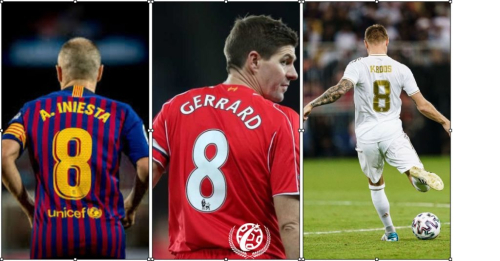
The midfield consists of the players ranging from 6 to 8. Stamina and versatility are key assets of Nigerian midfielders as they can attack and defend at any moment, switching roles rapidly. The midfield is the control center of a football pitch and the position on the field that connects every teammate. Midfielders dictate a game’s pace, control possession of the ball, and distribute passes which determine the defense and offense of the team. They also form the first line of defense when the ball is lost and transition from defense to attack efficiently.
In Nigerian professional football, midfielders are trained during football training sessions to develop passing skills, dribbling skills, and footwork, which are crucial for controlling the middle of the field. Their main objective is to help the team from scoring and to score goals when possible. Nigerian midfielders, like those in any common football structure, operate depending on their position to play, whether in a 4-4-2 or 4-3-3 formation, and always adjust depending on their position and depending on the tactics used by the coach.
Let’s look at their responsibilities:
Defensive Midfielder (6):
The defensive midfielder, with the number 6 jersey, protects the defenders by cutting off passes and stopping attacks. This specialized player stays in front of the defense and often plays just outside the box to block any threats. Nigerian players in this position usually pair aggressive defending with smart game foresight and excellent ability to read the game. An example of one of the best defensive midfielders who excelled during his career with both the Chelsea team and the national team (Super Eagles) was John Obi Mikel. In the modern game, defensive midfielders are also expected to contribute to attacks by passing the ball effectively to wingers and forwards.
Central Midfielder (8):
Typically assigned the number 8 jersey, the central midfielder stands in the middle of the field and organizes the strings of the game by keeping and distributing the ball and controlling the game pace. Nigerian central midfielders are usually recognized for their remarkable endurance, serving as a crucial link between the defense and the offense. They are often part of two central midfielders in a formation such as 4-4-2, balancing between defense and attack. They must be able to play on the left or right side of the field and carry the ball forward. Their passing and dribbling abilities make it easier for the teammates to move the play up field.
Attacking Midfielder (10):
The number 10 jersey is usually assigned to players who are seen as the ‘brain’ of the team. This role is often associated with the number 10 and requires intelligence, creativity, and vision. The player’s job is to create chances for the striker to score goals. In Nigeria, playmakers, like Austin “Jay-Jay” Okocha, who is celebrated for his creativity and ball control, made the number 10 jersey popular for the vision it represents. They are tasked with creating opportunities and scoring when the opportunity is not there. In formation and tactics, attacking midfielders tend to play closer to the penalty box, providing through balls and linking with forwards.
Forwards (9–11)
Nigerian football boasts a wealth of incredible forwards who have excelled in both domestic leagues and international tournaments. Forwards are the primary score attackers, and they are tasked with completing the chances created by the midfielders and putting the opposition defense under pressure. In the modern game, forwards must also press high and help prevent the opposition from scoring goals.
Striker, Wingers, and Playmaker Roles
Let's look at their responsibilities:
Striker (9):
The striker is the primary attacker and also serves as the main goal scorer. This player, designated the number 9 jersey, stays around the opponent's goal, and is always ready to convert any opportunities. Among the Nigerian strikers, Rashidi Yekini and Victor Osimhen are well known for their strength, speed, and accuracy in goal scoring at the deadly finish. The striker stands as the last line of defense for the opponents, and his main objective is to score goals. In a 4-3-3 formation, the striker plays in the center, while in 4-4-2, two forwards tend to play together.
Wingers (7 and 11):
Wingers are the players on the attacking left and right flanks. The right winger, numbered seven, and the left winger, numbered eleven, are tasked to stretch the defense, cross the ball, and also recover to the goal for a shot on target. Nigerian wingers, exemplified by Ahmed Musa and Samuel Chukwueze, are particularly noted for their agility and pace and dribbling skills. They cover the right and left side of the field, supporting attacks and defending when necessary. They also work closely with central defenders and fullbacks to protect the team from scoring opportunities by opponents.
Playmaker (10):
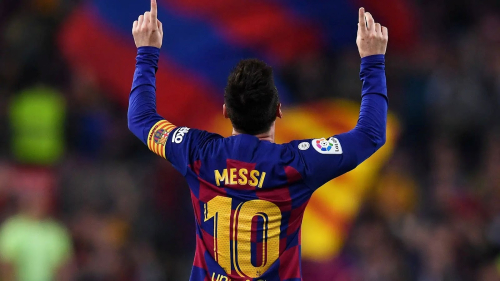
The playmaker, currently part of the midfield, in advanced attacking football is a shifted role. Most attacking players in football are noted for their vision to break defensive lines. Most Nigerian football players and fans recognize the players with the number 10 jersey as "control masters" for their technique and skill. In professional football, playmakers often mirror legends like Maradona and Messi, who were both famous for their creativity. The range of football techniques used by such players includes sharp footwork, precision passing the ball, and smart movement outside the box to assist or score goals.
Football Shirt Numbers Explained
The first purpose of football shirt numbers was to help organize the team. The players were numbered in the order of their position in the formation. Over time, specific roles were assigned to the numbers.
In Nigeria, the numbering system uses the positional numbering system like everywhere else in the world, but it also has personal meanings to the players. Some people select their numbers based on their birthdates, lucky numbers, or the names of people they looked up to. Nonetheless, in the professional leagues and on the national teams, the old-school numbers from 1 to 11 are still used to signify starting positions in the match.
An explanation is as follows:
- 1: Goalkeeper
- 2-3: Fullbacks
- 4-5: Centre backs
- 6: Defensive midfielder
- 7 and 11: Wingers
- 8: Central midfielder
- 9: Striker
- 10: Playmaker
With the changes made to the sport, players in Nigeria can wear higher numbers such as 18 or 25. Regardless, the significance of the old numbers still holds strong.
Conclusion
With knowledge of the game, the numbers and positions used in the game also improve the understanding of the sport and how it is organized in Nigeria. Every position has a certain tactical purpose, and the numbers on each shirt help identify these roles. All positions in football are crucial, and Nigerian footballers have proved this, with their skill, intelligence, and passion. The traditional numbering system is still in place, and it shows the function of the player on the field. This connects Nigerian football to the rest of the world.
FAQs
What do football shirt numbers mean in Nigeria?
In Nigeria, football shirt numbers correspond to the same standard positions used internationally. The roles are as follows: number 1 is the goalkeeper, 2 to 5 are defenders, 6 to 8 are midfielders, and 9 to 11 are forwards. That said, some modern players opt for special numbers for personal or sentimental reasons.
How are positions numbered in Nigerian football?
In Nigerian football, positions are numbered according to the universal standards. The numbers indicate the positions in the formation, beginning with the goalkeeper (1) to the striker (9). Reserve players wear numbers above 11. Substitutes also wear numbers above 11.
What is the role of a defensive midfielder?
The defensive midfielder is a part of the first line of the defense to block and intercept passes intended to break through the first line. This position is one of the most important in Nigeria for the purpose of maintaining the defensive posture.
Who are famous Nigerian strikers and playmakers?
Victoria Osimhen, Rashidi Yekini, and Obafemi Martins are famous Nigerian strikers. The most outstanding member of the playmakers is Austin “Jay-Jay” Okocha, famous for his creative play and technical skills. All of them have played for Nigeria and are important to the football history of the country.
How do wingers differ from wide midfielders?
Wingers are positioned higher on the field and concentrate on the offensive play, including crossing balls and shooting goals. Conversely, wide midfielders split their focus on both offensive and defensive duties, regularly retreating to support the fullbacks. In Nigeria, both are pivotal to providing the necessary width and speed during the play.
