
Feigned Movement in Soccer: The Art of Deception
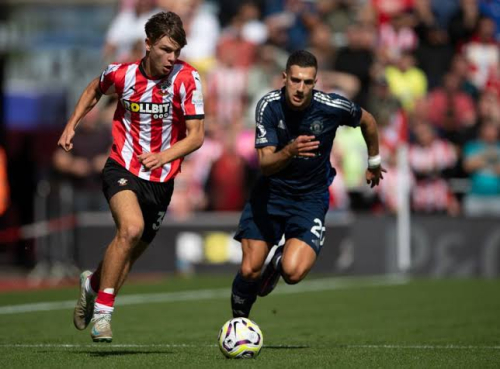
Feigned movement in soccer is a tactical art that involves deceiving an opponent through controlled, deliberate actions.
It is a psychological weapon designed to manipulate defensive responses, which players utilize to force opponents into unfavorable positions.
These deceptive movements disrupt defensive organization, create space, and allow players to dictate the flow of play.
Feigned Movement in Soccer: How it started
The origins of feigned movement in soccer can be traced back to the early days of the sport when players began to recognize that unpredictability was as valuable as physical skill.
While dribbling and passing were fundamental, the ability to disguise intentions became a crucial advantage as well.
As soccer evolved from a rigid, direct style to a more fluid and strategic game, players who mastered deception stood out, and became even famous majorly for their style.
Although no single player can be credited with inventing feigned movement, early pioneers of the game refined it into an art.
In the early 20th century, skillful wingers, playmakers, and inside forwards utilized body swerves and sudden directional changes to outwit defenders.
In modern football, feigned movement is an essential component of attacking play, particularly in South American and European football cultures, where technical flair is highly valued.
Feigned movement is not merely about trickery; it requires deep spatial awareness, precise timing, and reading through the mind of the opponent.
It is a fundamental aspect of elite-level football, used by players to control tempo, dictate defensive behavior, and create scoring opportunities.
The Essence of Feigned movement in Soccer
Another definition of feigned movement is that it involves a player using body language, footwork, or eye movements to suggest an intended action, only to execute a different one.
This misdirection may cause defenders to commit prematurely, allowing the attacker to exploit the vacated space.
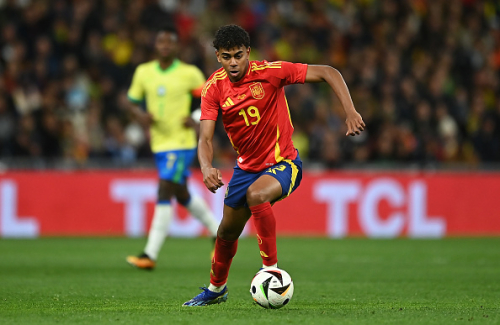
For instance, a player might drop a shoulder to imply a move to the left, then swiftly dart to the right, leaving the defender in his wake as a result.
Common Feigned Movements in Soccer
Body Feint: This is when an attacking player shifts their weight and body position to suggest a move in one direction, then quickly moves in the opposite direction.
Double Stepover: When a player swings one foot and then the other over the ball in a circular motion, implying a move in either direction, before taking the ball either way.
Fake Shot or Pass: A scenario where a player winds up as if to shoot or pass, causing defenders or goalkeepers to react, then changes the action to maintain possession or take advantage of the opponent's commitment.
Look-Away Feint: Using eye movement to mislead opponents while passing or dribbling in another direction.
Shoulder Drop: A sudden dip of the shoulder to hint at movement before accelerating the other way.
Footballers famous for executing Feigned movements
Top dribblers are the most common executioners of feigned movements. Brazilian legend Ronaldinho was one of the most famous in the early 21st century.
His teammates at national level were also part of this, making the country earn a reputation of the most entertaining in history of the game – Ronaldo Nazario famously use feigned movements to dribble goalkeepers before scoring in an unguarded net.
Cristiano Ronaldo emerged with his leg overs, and was famous for this in his Manchester United days, winning the Ballon d'Or before joining Real Madrid in the summer of 2009.
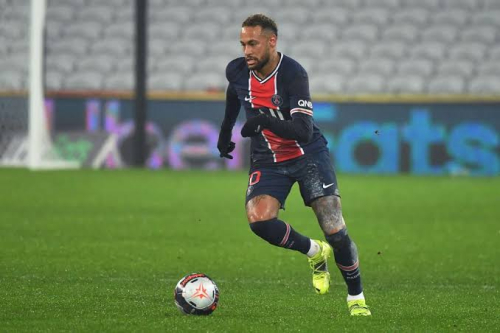
Lionel Messi, Neymar, Eden Hazard, Artem Ben Arfa, Alexandr Hleb and several others mastered the art of deception and utilized them to great effects to aid their respective careers.
The current generation is also blessed with a lot of top dribblers in the likes of Jamal Musiala, Lamine Yamal, Tyler Dibling and several others.
Conclusion
Feigned movement in soccer have become part of the game itself, and it is one of those abilities that scouts look for in players, especially attackers, as it helps them beat opponents, and create dangerous chances.

